


Durable, lightweight, comfortable hiking pants with great pockets
As backpackers, we ask a lot of our hiking pants. We wear them non-stop for days at a time, frequently even sleeping in them. We scrape them over abrasive surfaces. We get hot and sweaty walking up mountains in them. We store all sorts of handy knickknacks in their pockets. And we wear them in rain, sleet, snow, wind, heat, and direct sun. As such, we are very particular, and you should be too!
When choosing pants, a comfortable fit is the single most important factor. Therefore, the best hiking pants for one body may be different than the best for another body. Thus, there is no universal best pair.
However, there are broadly desirable features and performance traits that can be dialed up to maximize comfort and functionality. They are as follows, but in no particular order: comfortable, lightweight, breathable, stretchy and/or accommodating to movement, quick-drying, moisture wicking, UPF 50+, deep hand pockets, dual cargo pockets, durable, weather-resistant, convertible, soft, and good-looking. Those are the traits we prioritize most, and the hiking pants in this guide embody them. Keep reading to find the perfect pair or jump ahead for the feature-deep-dive. Happy hiking!
While you’re here, don’t miss our other legwear guides! We’ve also reviewed the best merino leggings, lightweight fleece pants, hiking socks, hiking shorts, trail running shorts, rain pants, windbreaker pants.
You make Adventure Alan & Co possible. When purchasing through links on our site, we may earn an affiliate commission at no additional cost to you. Here’s why you can trust us.
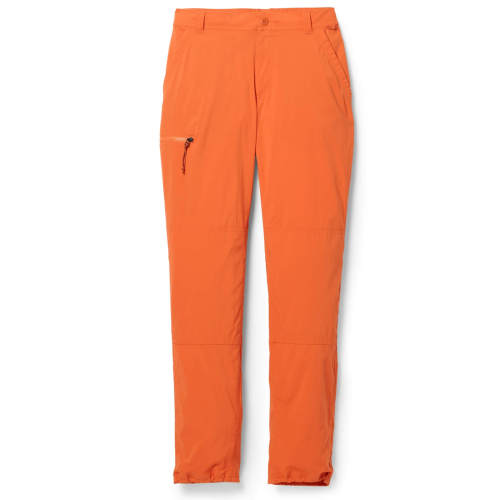
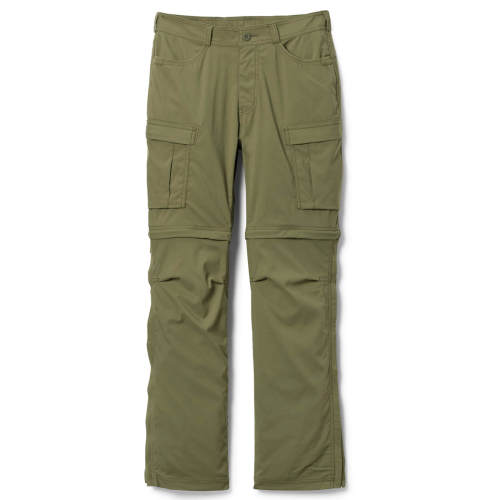
Quick Picks for Hiking Pants
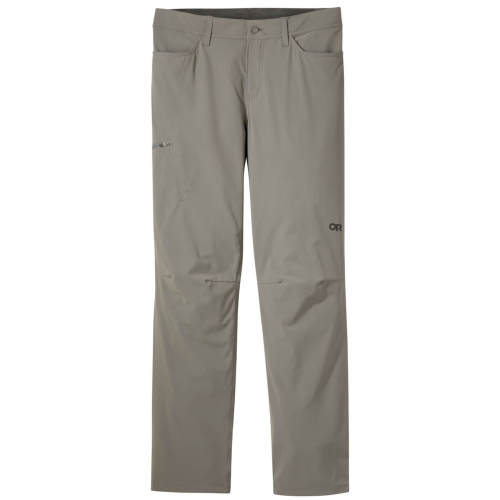
- Best All-Around: Outdoor Research Ferrosi
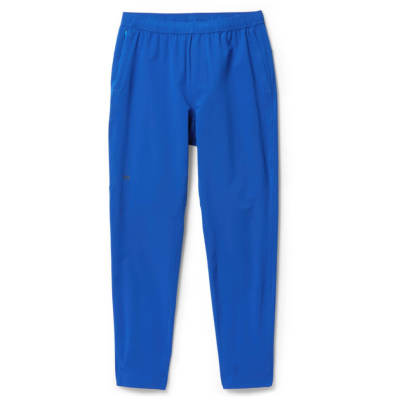
- Best Trail Running Pants For Hiking: Janji Transit Tech
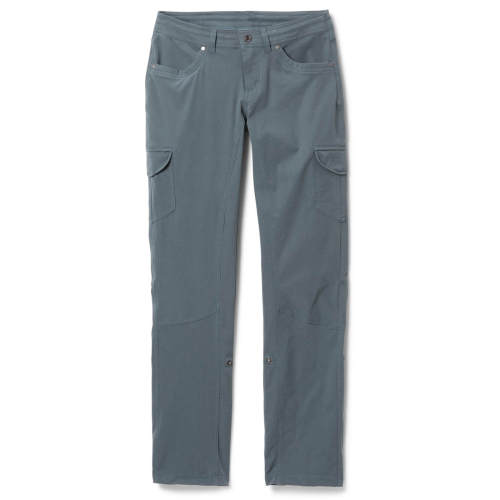
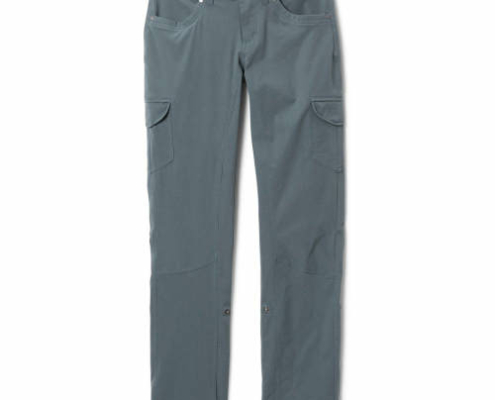
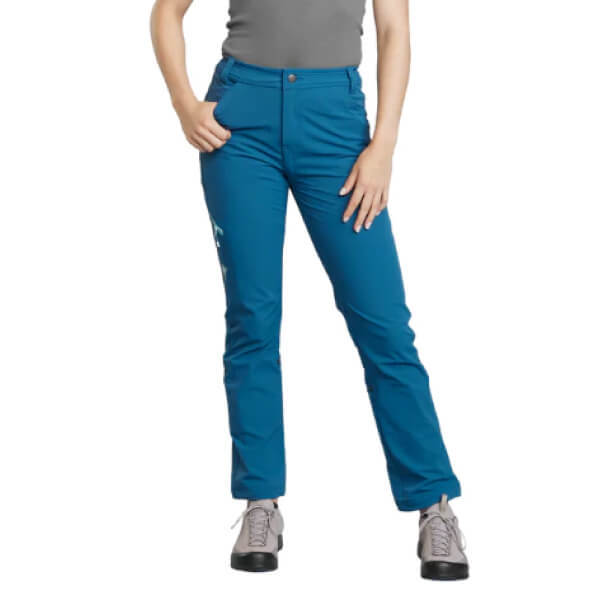
- Best Women’s Model: Kuhl FreeFlex Roll-Up
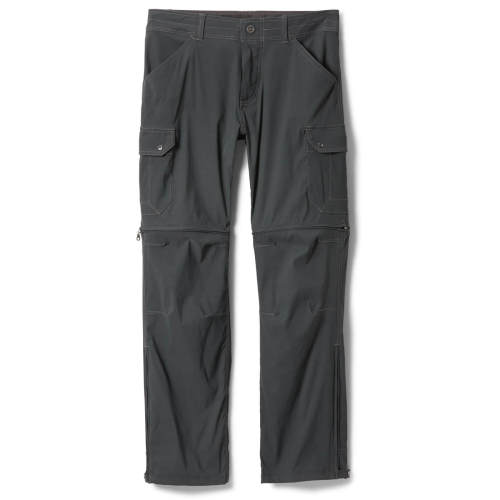
- Best Men’s Model: Kuhl Renegade Convertible
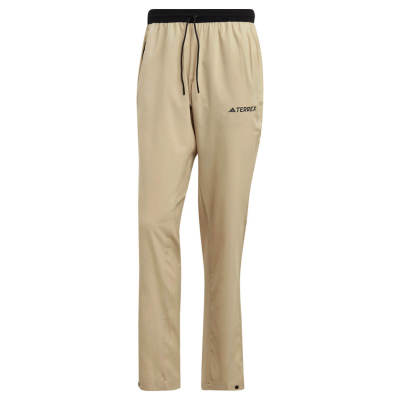
- Best Ultralight: Adidas Terrex Liteflex
- Best Value: REI Co-op Trailmade
- Good All-Around: REI Co-op Sahara Convertible
- Most Innovative: Gnara Go There Pants
Recommended Accessories
- Best Rain Pants: Outdoor Research Helium Rain Pants
- Best Windbreaker Pants: Enlightened Equipment Copperfield Wind Pants
- Best Down Pants: Western Mountaineering Flash Pants
- Best Belt: Arcade Belts Ranger Belt
- Best Socks: Smartwool Performance Run Ankle Socks
- Best Insect Repellent Treatment: Sawyer Spray-On Permethrin
Hiking Pants Comparison Table
| Hiking Pants | Price ($) | Weight (oz) | Avg User Review |
| Outdoor Research Ferrosi | 99 | 10.7 | 4.2 |
| Janji Transit Tech Pants | 94 | 7.1 | 4.6 |
| W’s Kuhl FreeFlex Roll-Up | 99 | 14.0 | 4.7 |
| M’s Kuhl Renegade Convertible | 109 | 15.2 | 4.5 |
| Adidas Terrex Liteflex | 85 | 4.7 | 4.6 |
| REI Co-op Trailmade | 70 | 9.8 | 4.6 |
| REI Co-op Sahara Convertible | 80 | 12.0 | 4.1 |
| Gnara Go There Pants | 168 | 16.0 | 4.8 |
Full Reviews of Hiking Pants
Best All-Around
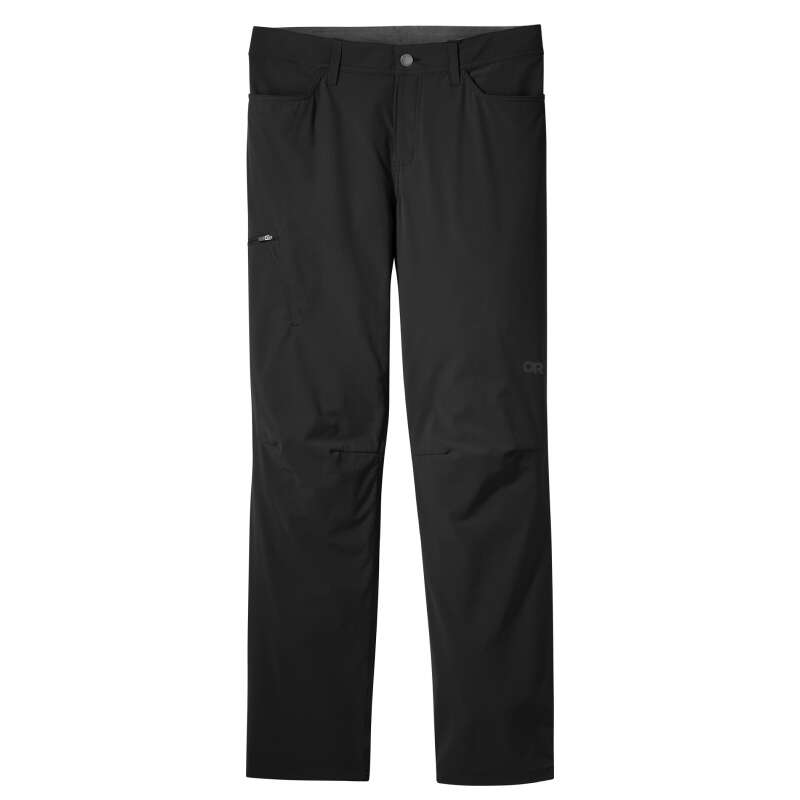
Outdoor Research Ferrosi Pants
The Outdoor Research Ferrosi Pants are a lightweight, stretchy, comfortable, and weather-resistant pair of all-purpose hiking pants.
- Price: $99
- Weight: 10.7 oz
- Material: 86% 90D Ripstop Nylon, 14% spandex
- Pockets: 2 hand, 2 back (1 zippered), 1 thigh
- Sustainability: 46% recycled materials, bluesign approved
- Avg Review Score at REI: 4.2/5
- Fit: Standard
- Pros: Very Stretchy. Very comfortable. Breathable. Water/Wind resistant. UPF 50.
- Cons: Only one thigh pocket. Thigh pocket is too small. Scoop-style hand pockets can be difficult to reach into.
Features:
The most important thing going for Ferrosi Pants is their stretchiness, thanks to 14% Spandex. Seriously, these pants are significantly more stretchy than the average hiking pants, and the stretchiest in our wardrobe. And all without sacrificing too much durability thanks to the 90d ripstop nylon. That said, they are more prone to snagging on pokey objects than other, less stretchy hiking pants.
The material is also quick drying, water resistant, somewhere in between a soft shell and hiking pants. If we had to choose, these Ferrosi Pants are our pick for comfiest model.
Outdoor Research Ferrosi Pants offer cuff and built-in-waistband adjustment, but we hardly use either because they fit so well to begin with. We dislike the built-in waist band adjustment cords, as they get caught in the fly and are inferior to a belt in virtually every way.
Previous versions of Ferrosi have had issues with the waistband getting over stretched, but the most recent iteration has solved this problem. Now it only has a little give, and a comparable amount to other pants. It might go up half a size, if at all, with long term use.
Notably, the hand pockets are scoop-style, which help secure the contents and prevent them from sliding out in the event that they become horizontal. This is a climbing-friendly design. But on the flip side, they are much more difficult to reach in and out of, as the top of the scoop pocket frictions your hand each time. In a similar vein, the zippered back pocket is slightly uncomfortable to reach into it as the zipper scrapes on the back of your hand. Both minor issues, but worth calling out.
One easy, and in our opinion obvious, opportunity to improve the design would be increasing the size of the thigh pocket, and adding a second one on the other thigh. Cargo pockets may come and go in and out of style, but for pure functionality on the trail, they are a “yes please.” Even with its small size, the Ferrosi’s cargo pocket is still useful for storing small things like lip balm or a tube of sunscreen.
If you like Ferrosi Pants, Outdoor Research also makes Ferrosi Convertible Pants.
Verdict:
We’ve been wearing various iterations of the Outdoor Research Ferrosi Pants for over a decade, all over the world, and they’ve never let us down. They’re extremely comfortable, plenty durable, and easy to move in. Highly recommended!
Best Trail Running Pants For Hiking
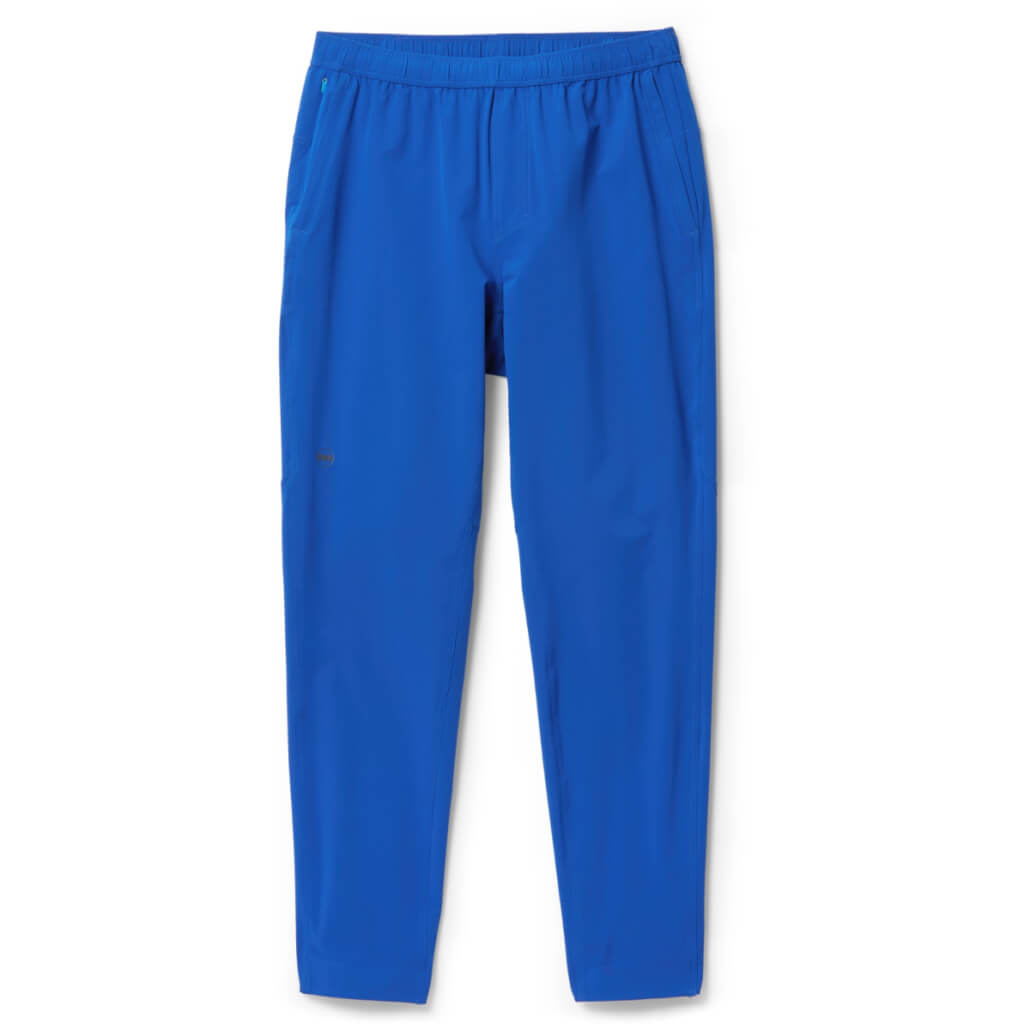
Janji Transit Tech Pants
If you like hiking in trail running shoes, why not consider trail running pants too? The Janji Transit Tech Pants are our preferred trail running pants for hiking and backpacking use. They’re lightweight, have three excellent and secure zipper pockets, and are very movement friendly.
See our full length review here.
- Price: $94
- Weight: 7.1 oz
- Material: 88% polyester, 12% spandex
- Pockets: 2 zippered hand, 1 zippered side thigh
- Sustainability: recycled polyester, bluesign approved
- Avg Review Score: 4.6 on REI
- Fit: standard with tapered lower legs
- Pros: Lightweight. Stretchy. Weather-resistant. 3 excellent zippered pockets. Elastic waistband. UPF50. Sustainable. Versatile. Flattering.
- Cons: No cargo pockets. Would prefer a more relaxed fit. Slightly short inseam.
Features
The Janji Transit Tech Pants are another example of trail running gear outperforming traditional, heavier weight, clunkier hiking gear. In fact, at 7.1 oz, they are about 50-100% lighter than the average hiking pants, and are much more stretchy and movement-friendly. These pants are seriously stretchy and comfy to wear. Not just for hiking or trail running, but we also love them for errands, athleisure, travel, a jaunt in the park, or just hanging around. They’re incredibly versatile.
What’s more, Janji doesn’t skimp on sustainability; they’re made with recycled polyester and bluesign approved manufacturing processes. Nor do they skimp on durability; we’ve crawled all over rocks, dirt, and downed trees without ripping the fabric once.
And unlike most trail running pants, Janji Transit Tech Pants have excellent and very secure storage. They start with two large, zippered, trouser-cut hand pockets. Then, only on the right side, they’ve also added a slightly-smaller-but-still-zippered-phone-sized pocket, designed to secure a large device to prevent bounce and sway while running.
The last feature we want to call out is the waistband, which has a nice firm hold on its own, but also comes with a drawstring. The drawstring itself has stretch to it, so you can get a really secure fit without ever losing the ability to pull them down or take them of while keeping the drawstring tied. It’s all very sleek and user friendly.
If we could improve one thing, it would be to add an inch of inseam and one additional zippered side-hip pocket.
Verdict
We’re simply smitten by the Janji Transit Tech Pants. We’ve started wearing them for just about everything, in and out of the backcountry. They’re lightweight, stretchy, comfy, great looking, and have nice and secure zippered pockets. If you’ve enjoyed hiking in trail running shoes, we’re sure you’d enjoy hiking in these trail running pants!
Best Women’s Hiking Pants
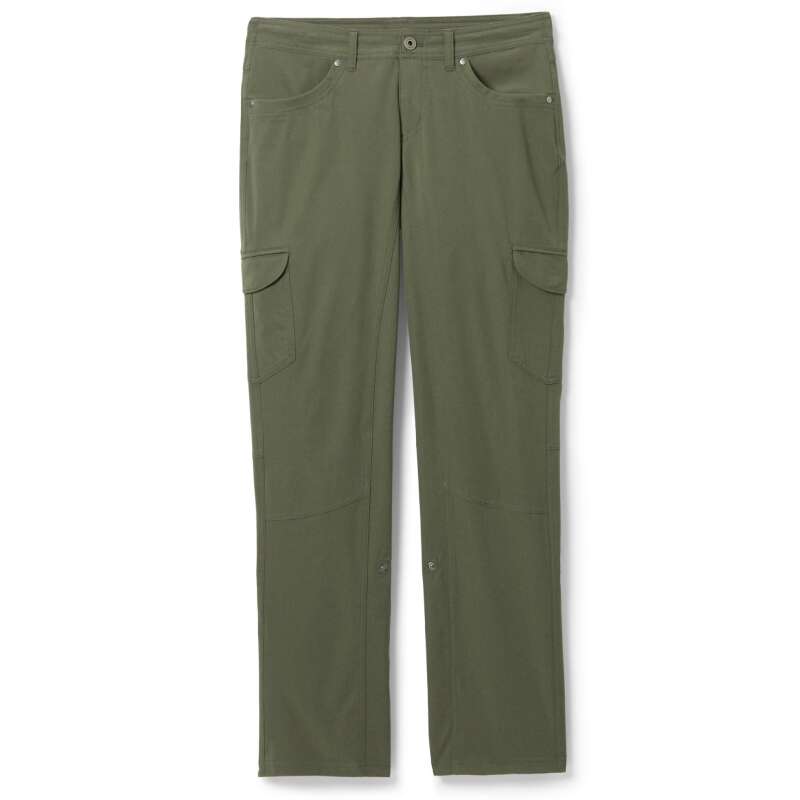
Kuhl Freeflex Roll-Up Pants
We would describe the Kuhl FreeFlex Roll-Up Pants as soft, comfortable, converts to capris, stretchy, durable and with a full set of usable pockets.
- Price: $99
- Weight: 14.0 oz
- Material: 100% Polyester
- Pockets: 2 hand, 2 back, 2 thigh
- Sustainability: 50% recycled
- Avg Review Score at REI: 4.7/5 Stars
- Fit: Relaxed
- Pros: Full set of deep pockets. Incredibly durable for how soft they are. Converts to capris. Spandex-free stretch that won’t sag or bag.
- Cons: On the heavier side. Cargo pockets slightly too small.
Features
There’s so much to like about the Kuhl FreeFlex Roll-up Pants. But we’ll start with the six pockets: two hand, two back, two thigh. They’re fully functional, sufficiently deep, and good for storing frequently accessed items while hiking. Of note, the cargo pockets are too small to hold a phone. Also of note, the hand pockets are scoop style, meaning they are more secure but a bit harder to reach into.
Next, we’ll call out the fabric, which is soft and pleasant to the touch, while also being stretchy and durable. It’s everything you need it to be and nothing you don’t. Kuhl claims it is stretch without spandex, meaning that they don’t sag or bag and recover perfectly after each movement. That is likely explained by the polyester construction, rather than nylon.
Finally, the roll up capri feature. This is a snap closure system that secure the pant leg after you roll it up to about mid calf. While it is the namesake feature of this pair of hiking pants and not unwelcome, we’ve never had much trouble rolling up and cuffing any old pair of pants, so this isn’t a huge bonus.
Averaging 4.7/5 stars among hundreds of user reviews, almost everyone who tries Kuhl FreeFlex Roll-Up Pants has good things to say.
Verdict
This is an excellent pair of pants. They’re comfortable, functional, flattering, and have a full set of pockets. We recommend them highly.
Best Men’s Hiking Pants
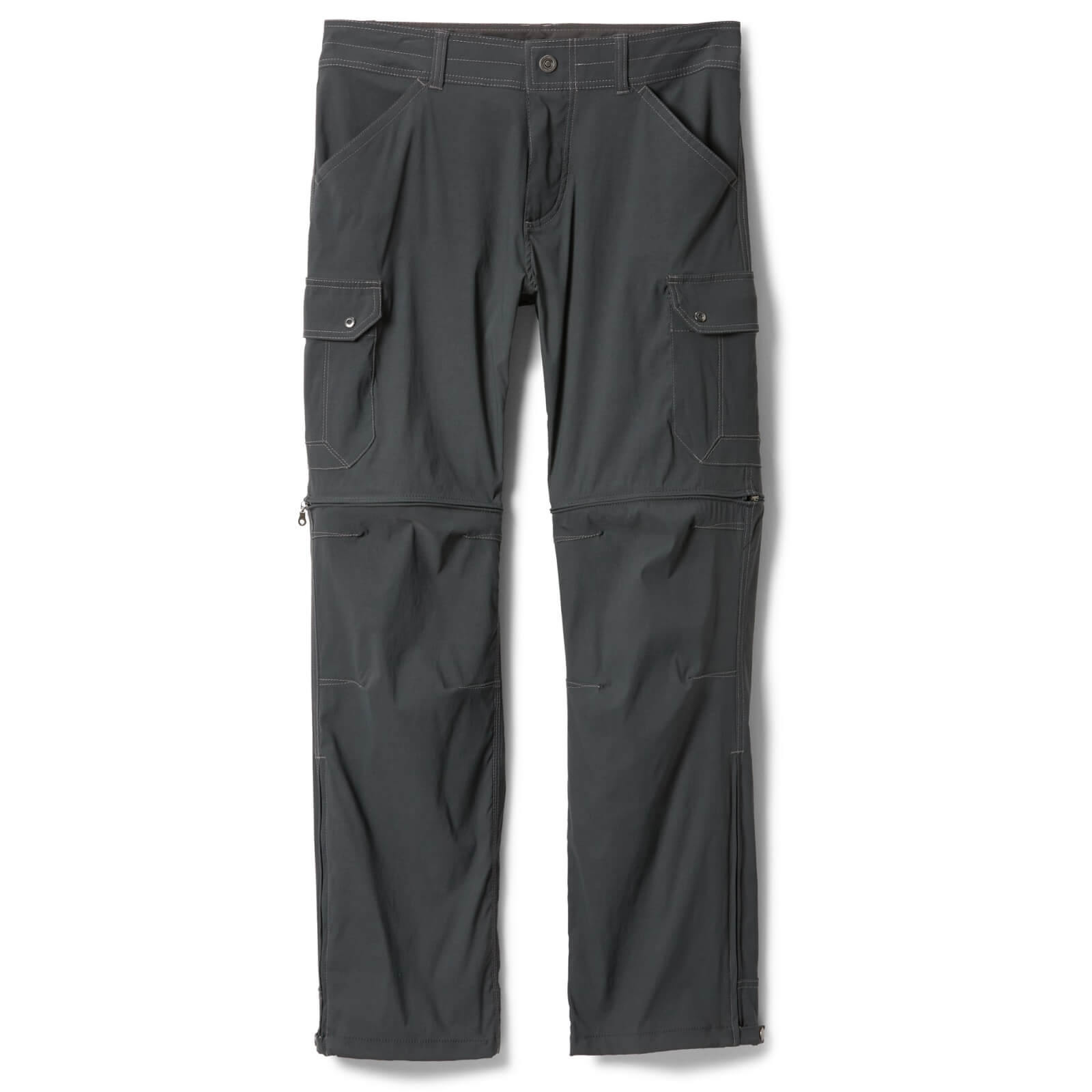
Kuhl Renegade Convertible Pants
For the most bomber convertible hiking pants with the best possible pockets, we recommend the Kuhl Renegade Convertible. These are Alan’s top pick.
- Price: $109
- Weight: 15.2 oz
- Material: 95% Nylon, 5% Spandex
- Pockets: 2 hand, 2 back, 2 thigh
- Sustainability: None noted
- Avg Review Score at REI: 4.5/5 Stars
- Fit: Full
- Pros: Best pocket configuration. Incredibly durable. Convertible. Conversion does not require shoes off. Well-made.
- Cons: Heavy. Zippers add rigidity and structure to the leg.
Features
The most important part about the Kuhl Renegade Convertible Pants is their excellent and full suite of pockets. First we have the large hand pockets, with semi-trouser style openings. Next we have the large rear pockets with Velcro closure for extra security. Lastly, we have the large dual cargo pockets, one on each thigh. These are made with snap closure and even have more smaller pockets within the main compartment.
The Duralux fabric with DWR treatment is incredibly durable and abrasion-resistant, yet with a reasonably soft and supple hand-feel. It is made with 95% nylon and 5% spandex, and offers light duty stretch for a good range of motion. That said, they are on the less stretchy end of the hiking pants spectrum.
Unlike most other pants which offer a standard or slim fit, the Kuhl Renegade Convertible Pants are wider and have a “full fit” through the leg. Full fit is especially preferable for convertible pants wearers with thick thighs, as it prevents the zippers from riding up and squeezing your quads. In our experience, the waist is true to size and does not have stretch.
Another thing we like about these convertibles is that they have lower leg zips, which allows you to convert to shorts-mode without having to take your shoes off. The downside to this is that these extra zippers and additional bulk, structure, weight, and cost to the garment, which isn’t always desirable.
One of the biggest upsides, but also perhaps the only downside, is that Kuhl Renegade Convertible Pants are simply heavy duty. At 15 oz, they are the heaviest pants on our list, the most durable, and have the most zippers and pockets. These pants are good for wearing, but should or carried in a backpack. At $109, they are also the most expensive.
Verdict
It’s rare to see a pair of pants that is the best in multiple ways, but here we are. The Kuhl Renegade Convertible Pants have the best pockets AND are the most bomber.
Most Ultralight
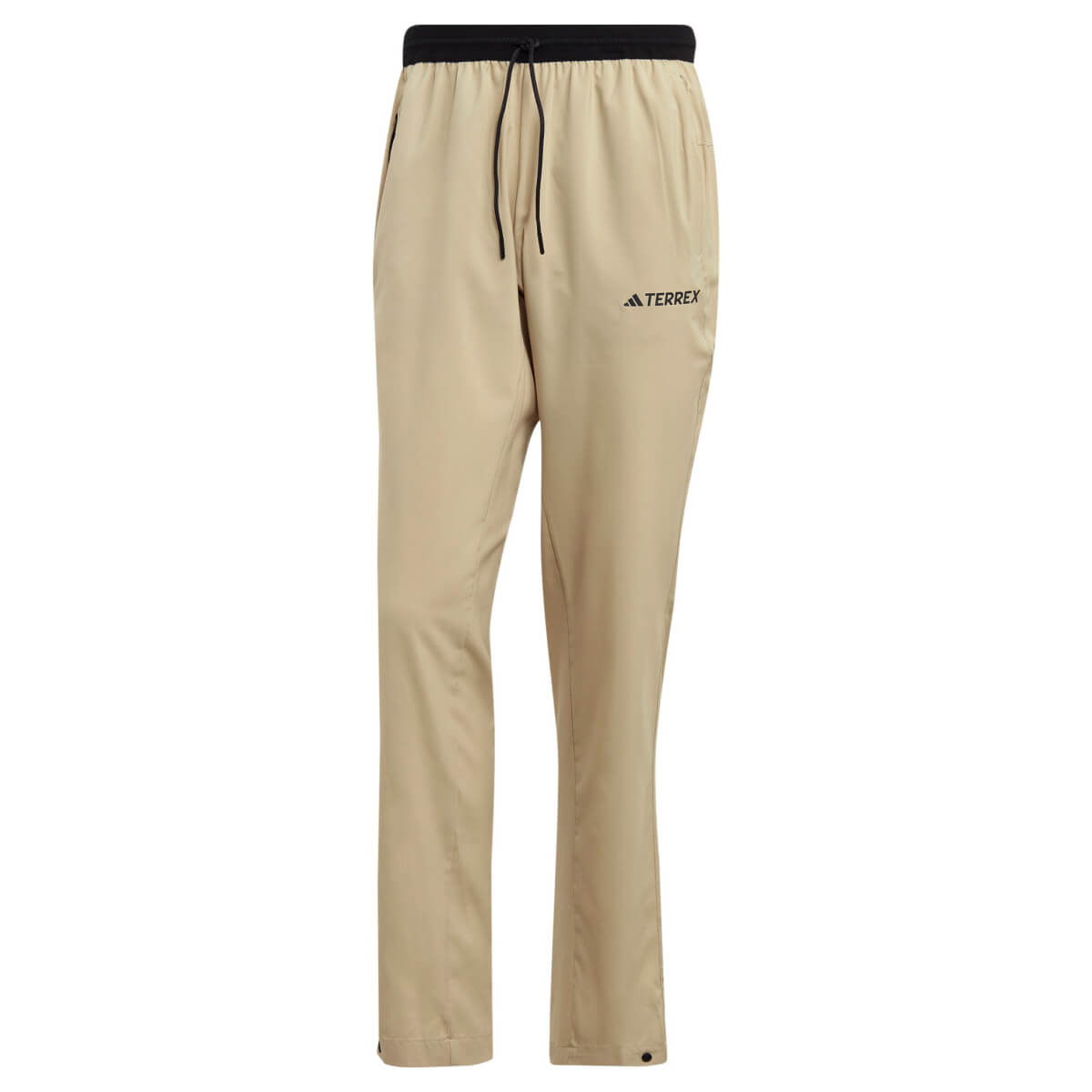
Adidas Terrex Liteflex Hiking Pants
For comfy, ultralight hiking pants that stow as well as they wear, grab the Adidas Terrex Liteflex Hiking Pants. Weighing just 4.7 oz, they are the perfect partner to your preferred trail running shorts. Shop Men’s. Shop Women’s. Read more in our full-length Adidas Terrex Liteflex Review.
- Price: $85
- Weight: 4.7 oz
- Material: 69% Polyamide, 19% polyester, 12% elastane
- Pockets: 2 zippered hand, 1 snape closure rear
- Sustainability: unstated
- Avg Review Score: 4.6 on Adidas website
- Fit: Relaxed
- Pros: Ultralight. Stretchy. Soft. Breathable. Comfy. Adjustable elastic waistband. Zippered hand pockets. Snap Cuffs.
- Cons: Fabric is not the most durable. No cargo pockets. Not UPF-rated.
Features
We’ve been testing hiking pants like mad and these are far and away the lightest weight, most functional option with good pockets. They weigh 2-3x less than the average pair of hiking pants, which we’ll ballpark at 12oz, or 15 oz with our preferred belt. This opens up new possibilities for storing a pair of pants in your pack without adding much bulk or weight.
We recommend using them in conjunction with trail running shorts. Wear the shorts and stow the Adidas Terrex Liteflex Hiking pants in your pack until you encounter brush, your legs have had too much sun exposure, or it gets a bit chilly. This combination is both comfier and lighter weight than convertible hiking pants.
What’s more, we love how the Terrex Liteflex hiking pants have zippered hand pockets with burly zipper pulls for ease of use. Sure, the fact that they don’t have cargo pockets is a drawback, but we could securely store a ziploc baggie wallet, sunscreen, chapstick, airpods, and an iPhone.
The waistband is comfy, secure, and comes with a nice thick drawstring to cinch them closed. Another cool feature are the snap closure cuffs, in case you need them to be a bit tighter around your ankles, such as when scrambling.
Liteflex fabric is quite stretchy, very airy (double so given the relaxed fit), DWR-treated, and we would describe them as the softest, comfiest hiking pants we’ve ever tried. Admittedly, the fabric is quite thin and they are definitely on the low end of the durability spectrum. However, that’s to be expected as they’ve intentionally been designed to be ultralight. Treat them respectfully and you’ll be fine.
Verdict
The ultralight weight and extreme comfort of Adidas Terrex Liteflex Hiking pants open up new possibilities with regard to carrying pants while hiking in shorts and switching midday. Until now, this was a drawback because traditional hiking pants are 2-3x heavier. Now you can have your cake and eat it too!
Best Value
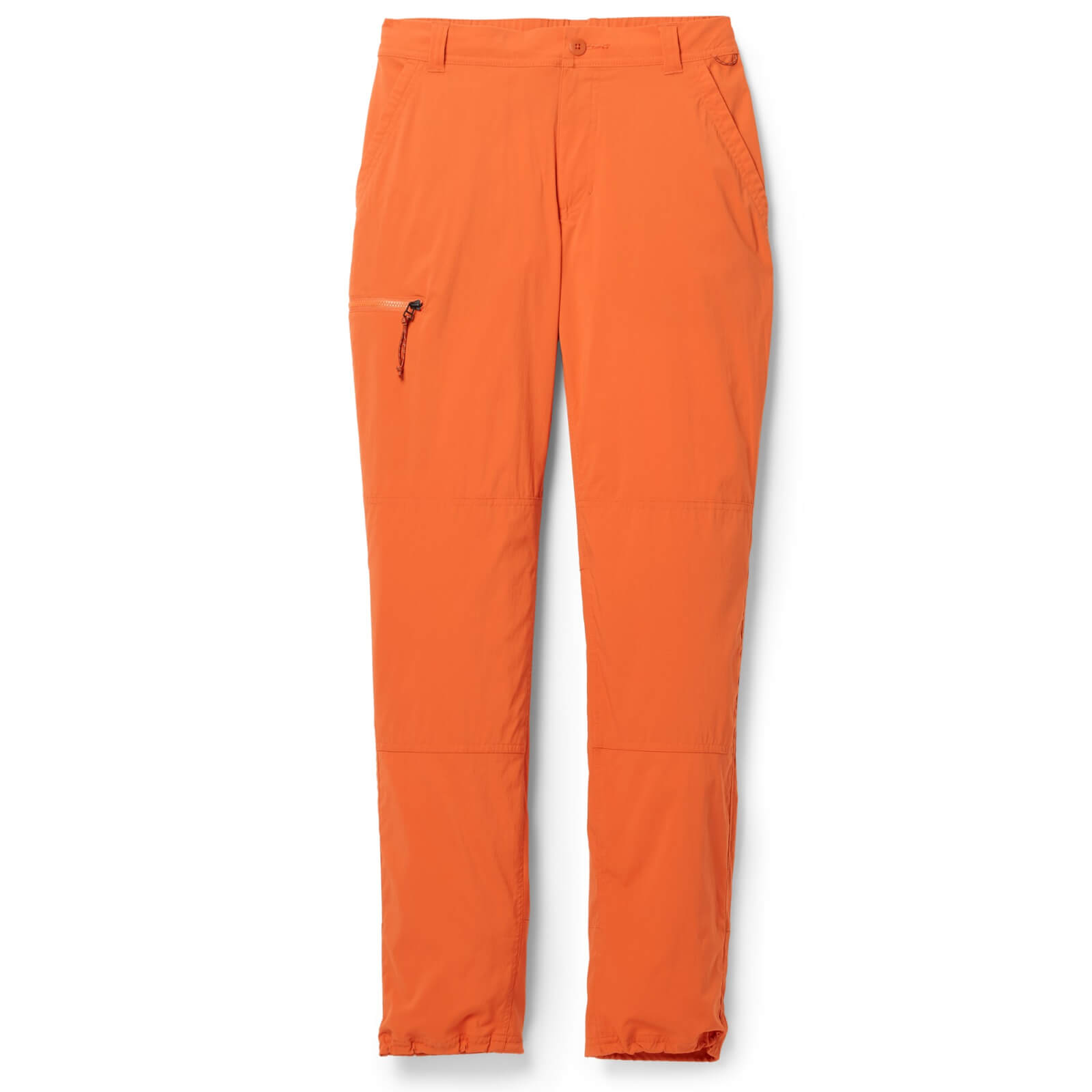
REI Trailmade Pants
The REI Trailmade Pants are a crowd-pleaser at a fair price. For just seventy bucks, they score very very highly on reviews, averaging 4.6 out of 5 stars.
- Price: $69
- Weight: 9.8 oz
- Material: 94% nylon, 6% spandex
- Pockets: 2 hand, 2 back, 1 thigh
- Sustainability: bluesign® approved
- Avg Review Score at REI: 4.6/5
- Fit: Standard
- Pros: Breathable. Durable. Quick-Dry. Lightweight. UPF 50. Some Stretch. Trouser style hand pockets.
- Cons: Only one thigh pocket. Some user reviews complain about mesh pocket durability.
Features
Constructed with 94% nylon and 6% spandex, the REI Trailmade Pants have an average amount of stretch in the hiking pants category. They are designed with a gusseted crotch and articulated knees. All of this adds up to make them very movement friendly and easy to walk in.
The pockets are all user friendly, plenty deep enough (including the W’s version). Note, they have trouser-style hand pockets, rather than scoop pockets. They are quick and easy to reach in and out of, but marginally less secure than scoop style pockets. Factoring in the pros and cons, we view this as a positive and generally prefer a semi-trouser style pockets.
A few other features to note include the waistband internal drawcord. This is becoming a very popular feature which we don’t love. The cords can easily dangle out and get caught in the fly. Wearing a hiking-friendly belt is a far superior way to keep your pants up. Lastly, REI Trailmade Pants have a neat little loop above the left hand pocket for securing keys. Not sure we’ll use it, but it seems like it could be handy.
Verdict
There’s nothing fancy or particularly innovative going on with the REI Trailmade Pants, they’re simply a good all around pair of hiking pants at a good price that score very highly on user-reviews.
Good All-Around
REI Sahara Convertible Pants
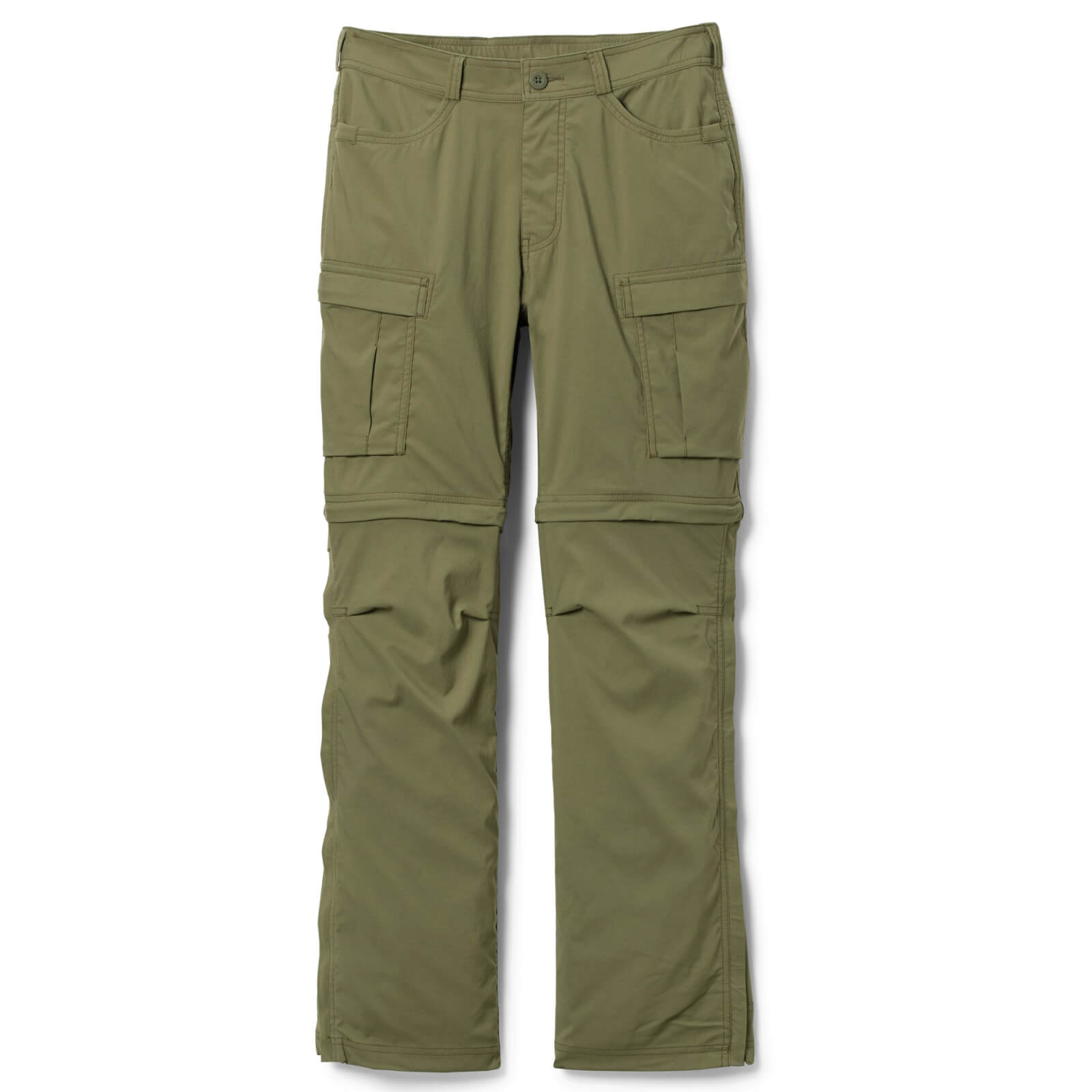
The REI Sahara Convertible Pants offer great value for a fully-featured pair of zip-off hiking pants.
- Price: $80
- Weight: 12.0 oz
- Material: 96% recycled nylon, 4% spandex
- Pockets: 2 hand, 2 back, 2 thigh
- Sustainability: recycled materials, bluesign approved.
- Avg ReviewScore at REI: 4.1/5 Stars
- Fit: Standard
- Pros: Full set of pockets. Good value. Convertible. Conversion does not require shoes off. Color coded thigh zips
- Cons: Small belt loops. Zippers add weight and bulk. Some customers complain that current version is worse than previous version. Scoop pockets can be hard to reach into.
Features
Whenever we see it, the first thing to call out is always dual cargo pockets. There’s simply no reason to stop at one, and we wish all pants had two. The REI Sahara convertibles check this box with one zippered pocket (right side) and one flap-covered pocket (left).
We also love the construction of these convertibles. Not only do they have color coded thigh zips, but they also have lower leg zips. This has some venting utility, but mainly what it offers is the ability to remove the pants without taking shoes off. A very useful feature for trips that involve an above average amount of shorts/pants conversions.
While these pants average a solid 4.1 out of five stars, we found that many of the user reviews lament this version being inferior to previous versions. When people find a pair of pants they like, it’s easy to feel married to them. So we understand the sentiment, but suggest taking it with a grain of salt. For reference, the main difference between current and past is that the previous version was 100% nylon and with a looser fit and less stretch, but also more durable and more quick drying.
A few other notes, the women’s version has an internal drawstring, which we dislike as it is one more step in the on/off process, and can get caught in the zipper. Both men’s and women’s have scoop style hand pockets, which are more secure but also more difficult to reach into.
Verdict
The REI Sahara Convertible Pants are a good value for a good all-around pair of hiking pants with all of the right features.
Most Innovative
Gnara Go There Pants
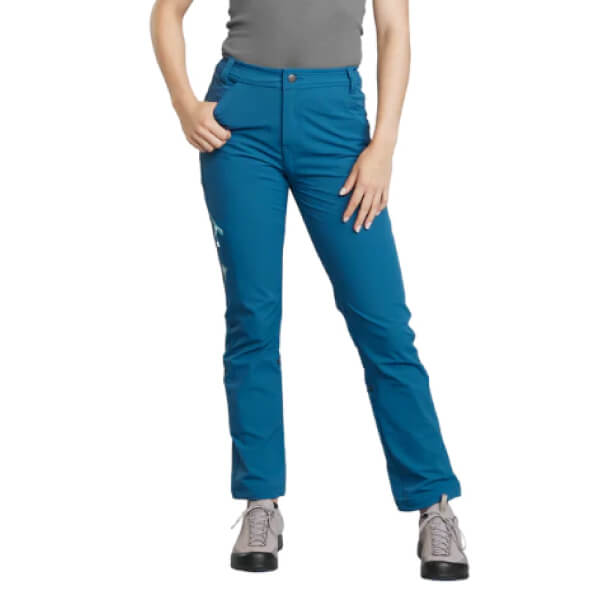
We nod to Gnara Go There™ Pants (shop now) for what might be one of the best innovations in contemporary hiking legwear, the GoFly™ zipper technology. This allows the wearers with female genitalia to pee without taking their pants off. Read more in our full-length Gnara Go There Pants Review.
- Price: $168
- Weight: 16.0 oz
- Material: 93% Nylon, 7% Spandex
- Pockets: 2 zippered hand, 2 envelope back, 1 zippered thigh
- Sustainability: Packaging only
- Avg Review Score at Gnara: 4.8/5 Stars
- Fit: Fitted, high-rise
- Pros: Pee without taking pants off. Stretchy. Flattering. Good pockets. Very durable.
- Cons: Heavier and warmer than average hiking pants. Very expensive.
Features
The GoFly™ zipper technology is the primary reason to buy a pair of Gnara Go There pants. That’s because they have a hidden secondary zipper that runs from the bottom of the traditional fly all the way around and up to bottom of the rear waistband. By unzipping and pulling underwear aside, hikers with female anatomy can finally pee without taking their pants off.
Functionally, it is more efficient than pulling your pants down, especially helpful when wearing a harness. And it adds a major degree of privacy for peeing off to the side of a busy trail. Lastly, it is also good in high mosquito season when pulling down ones pants exposes lots of skin to biting pests. We noticed that Gnara is licensing this proprietary tech, and we hope more brands adopt it!
Beyond the GoFly, there’s plenty more to like about these pants. The fabric is very durable and solid feeling. It is also very stretchy. And the pants have five very functional pockets, including slash cut hand pockets with zippers, and a side thigh pocket that fits a phone. Two envelope closure rear hand pockets finish off the external storage suite.
On pure functionality, we find that protruding cargo pockets are more effective than zippered access interior pockets. But on the whole, these have a great overall pocket set so we’re willing to go along with it.
Aside from the price tag, our only knock again the Gnara Go There pants is that the soft shell fabric is objectively heavyweight compared to the hiking pants category on the whole. Our sample was a women’s 4 and weighed just over one pound. We acknowledge that some of that weight comes from additional zipper material. Nonetheless, they are more than twice as heavy as the REI Trailmade Pants, which weigh 7.8 oz.
While they probably aren’t twice as warm, there’s no denying that they’re thicker, denser, and retain more heat. Functionally, they are closer to lightweight mountaineering pants than 3-season hiking pants. In fall, winter, and spring, this is quite welcome. But our recommendation for Gnara Go There pants in contingent on hiking in cold, cool, or moderate temps. We wouldn’t recommend them for true summer conditions. Arbitrarily, we’d say wear something else if it’s warmer than room temperature.
Verdict
At baseline, these are some really high quality hiking pants with large, functional pockets. The GoFly Zipper Technology really makes them shine, allowing wearers to pee without pulling them down. The biggest downsides are the expensive price tag and the fact that they’re heavy, and a bit too warm for summer hiking.
Accessories For Hiking Pants
Best Ultralight Rain Pants
Outdoor Research Helium Rain Pants
Outdoor Research Helium Rain Pants
6.7 oz | $130
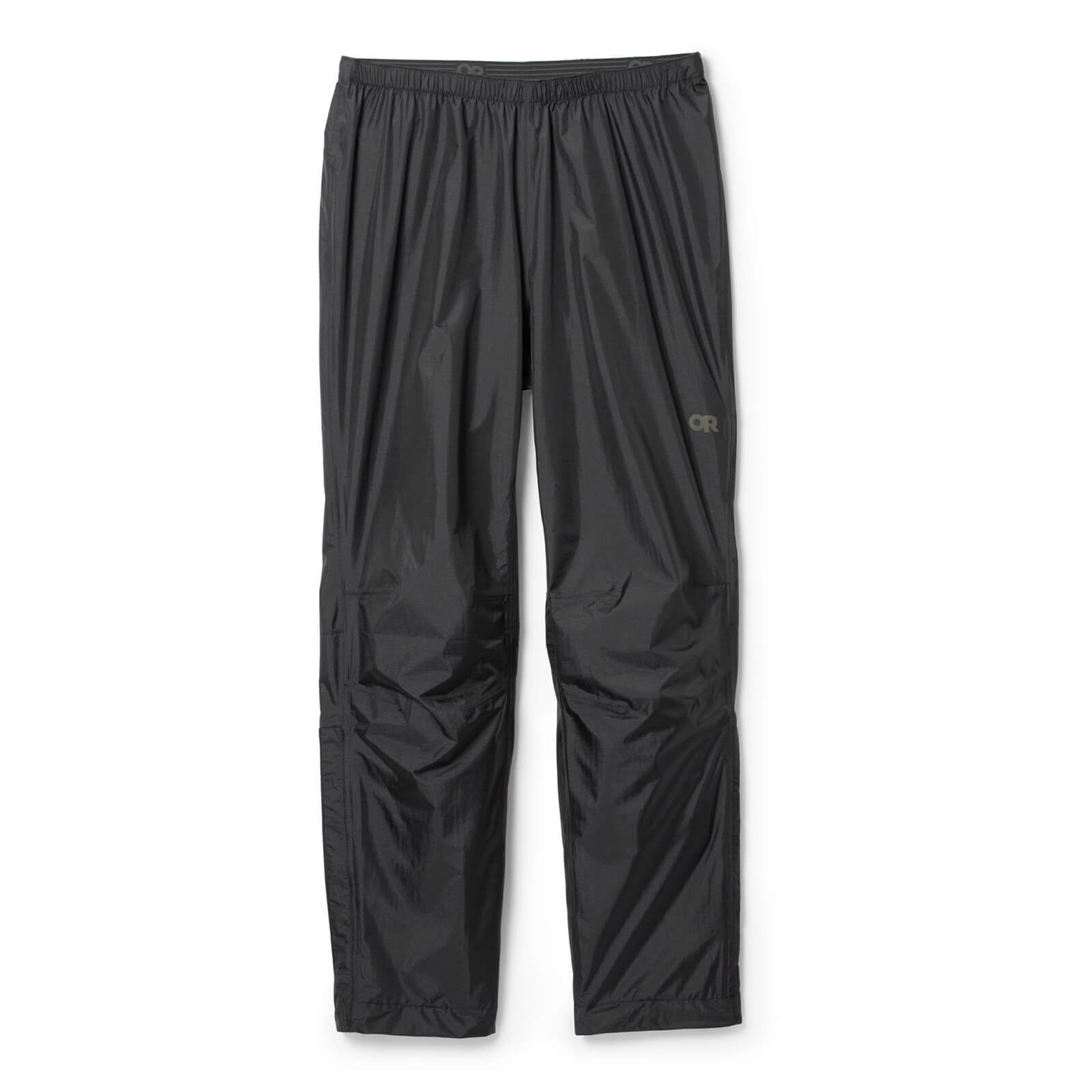
Incredibly light, fully waterproof, great value, and more durable than the competition, thanks for the Pertex DiamondFuse shell fabric. The Helium Rain Pants are our go-to rain pants for hiking and backpacking, and exemplary ultralight backpacking gear.
Best Ultralight Wind Pants
Enlightened Equipment Copperfield Wind Pants
1.5 oz | $80
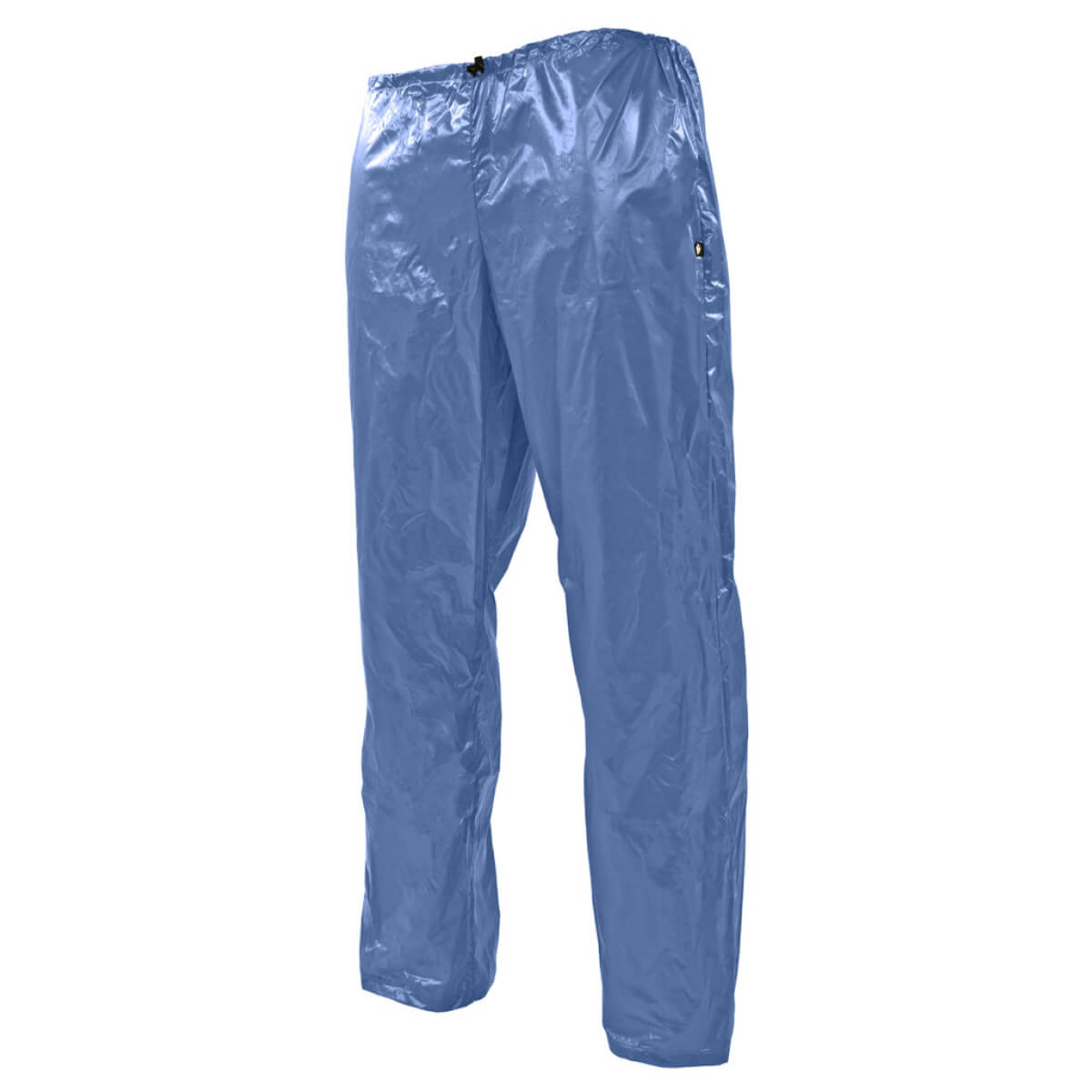
For backpacking, fastpacking, and ultra running, we recommend the Enlightened Equipment Copperfield Wind Pants. Weighing just 1.5 oz in M’s medium, they are the perfect windbreaker pants to stow in any pocket, and provide incredible resistance to wind chill relative to their weight. The 10D nylon fabric is treated with DWR for light water repellency. They are extremely minimalist and delicate, so use them respectfully. A shock cord cinches the waist. It simply does not get lighter than these. Read more in our full-length Enlightened Equipment Copperfield Wind Pants Review.
Best Ultralight Puffy Pants
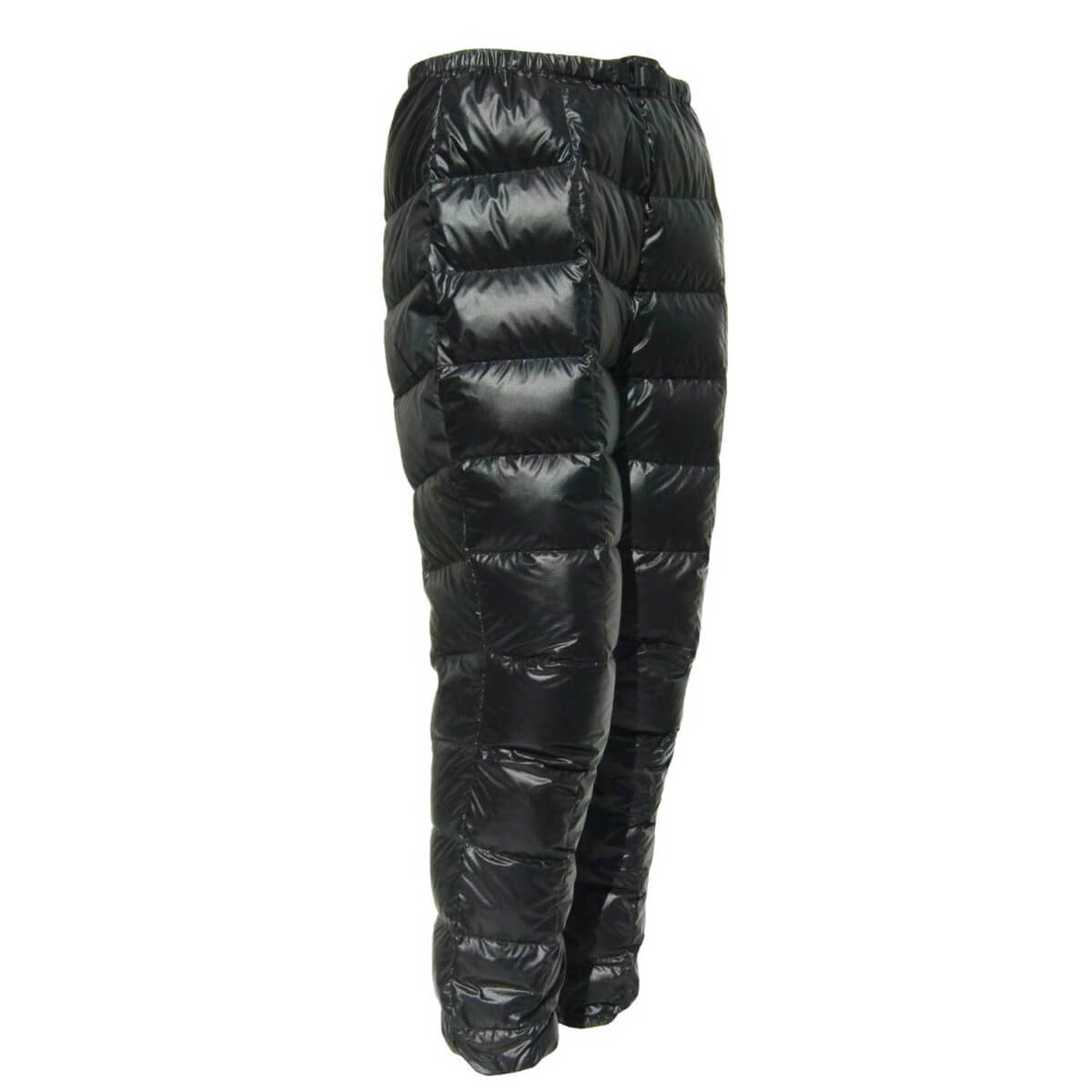
Western Mountaineering Flash Pants
6.5 oz | $305
An ultralight classic! The Western Mountaineering Flash Pants are our go-to down puffy pants for cold weather camping when temps begin to drop below freezing. They weigh only 6.5 oz, and are filled with two oz of 850 fp down, 31% of the garment’s total weight. They are much, much warmer and lighter than fleece pants.
Best Belt
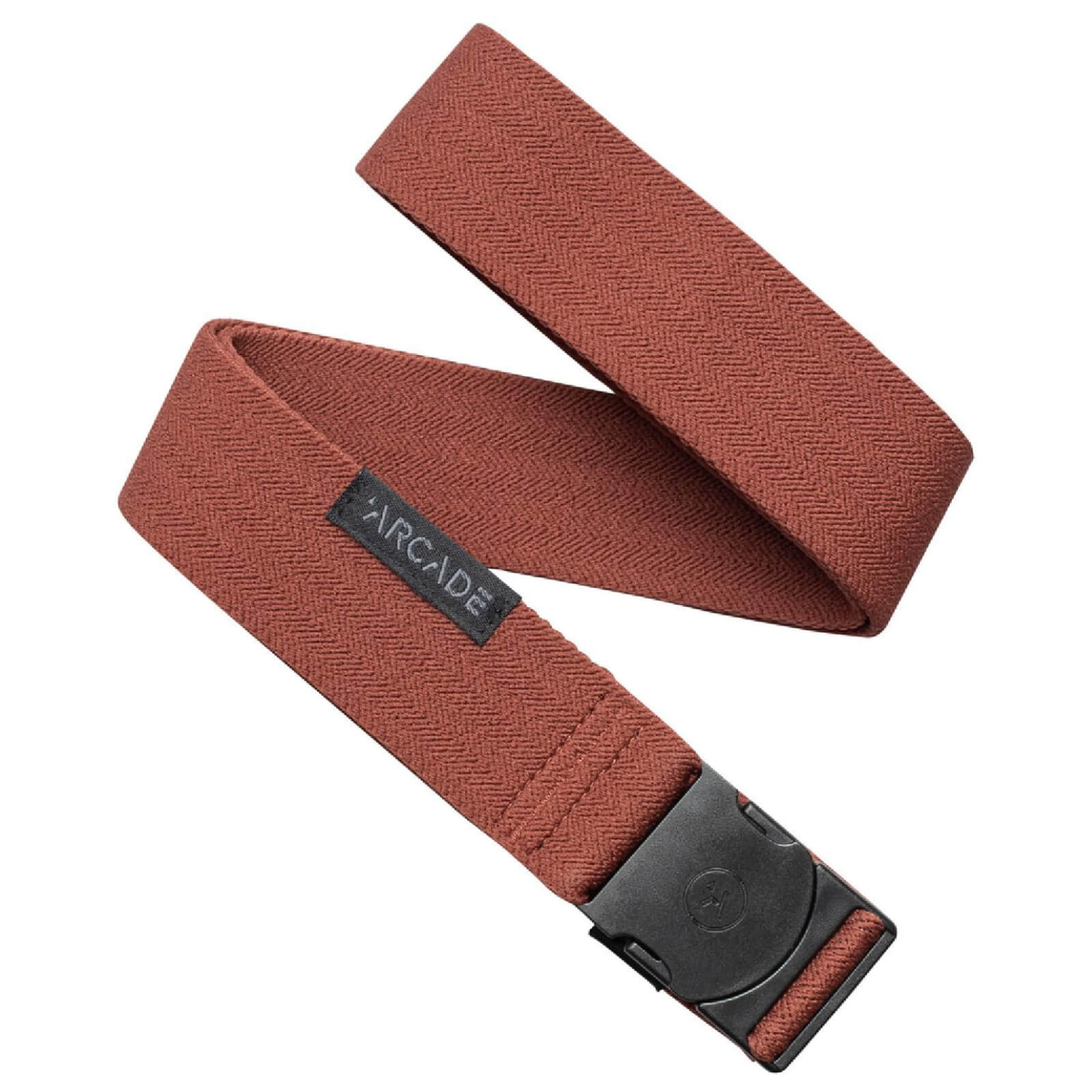
Arcade Belts
Arcade Belts
2.5 oz | $32
Arcade Belts could be a big upgrade for hikers. It’s made of polyester webbing that is soft to the touch and stretchy, so it doesn’t dig into your skin or bite, even when you have it pulled taught. Adjusting this belt is straightforward, the clasp is very secure, it holds tightness, and does an excellent job of keeping pants up. Highly recommended if you’re still using something old, heavy, leather, or otherwise uncomfortable.
Best Socks
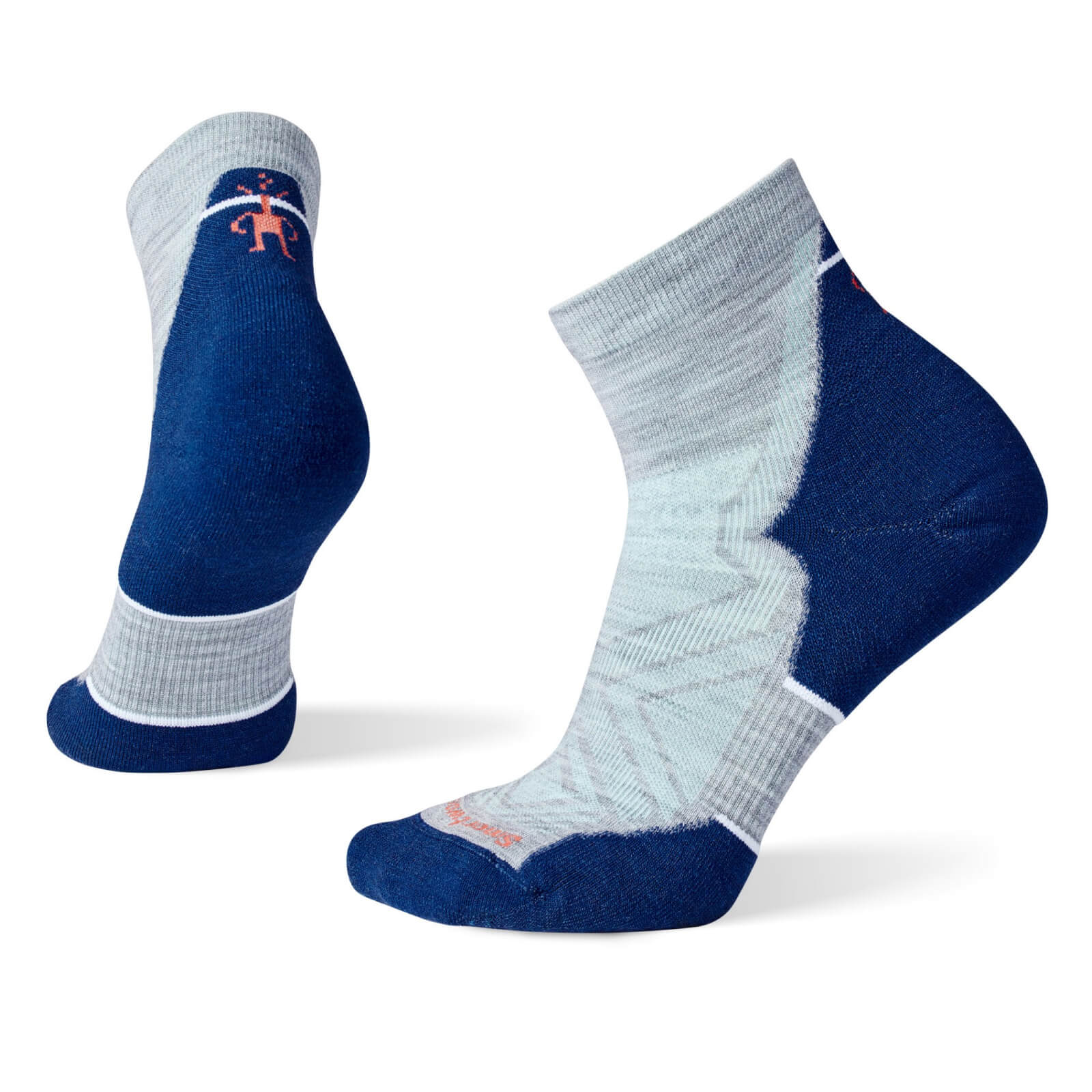
Smartwool Performance Run Ankle Socks
Smartwool Performance Run Ankle Socks
1.6 oz | $21
When it comes to a comfortable and secure fit, nobody beats Smartwool Performance Socks. Because we do all of our hiking in trail running shoes, running socks are a better choice than thicker hiking socks designed to be worn with boots. The thinner fabric reduces foot sweat, and thus also reduces blisters caused by maceration. When choosing between models, we recommend ones with light to no cushioning. Apply your personal preferences when choosing ankle height.
Best Insect Repellent
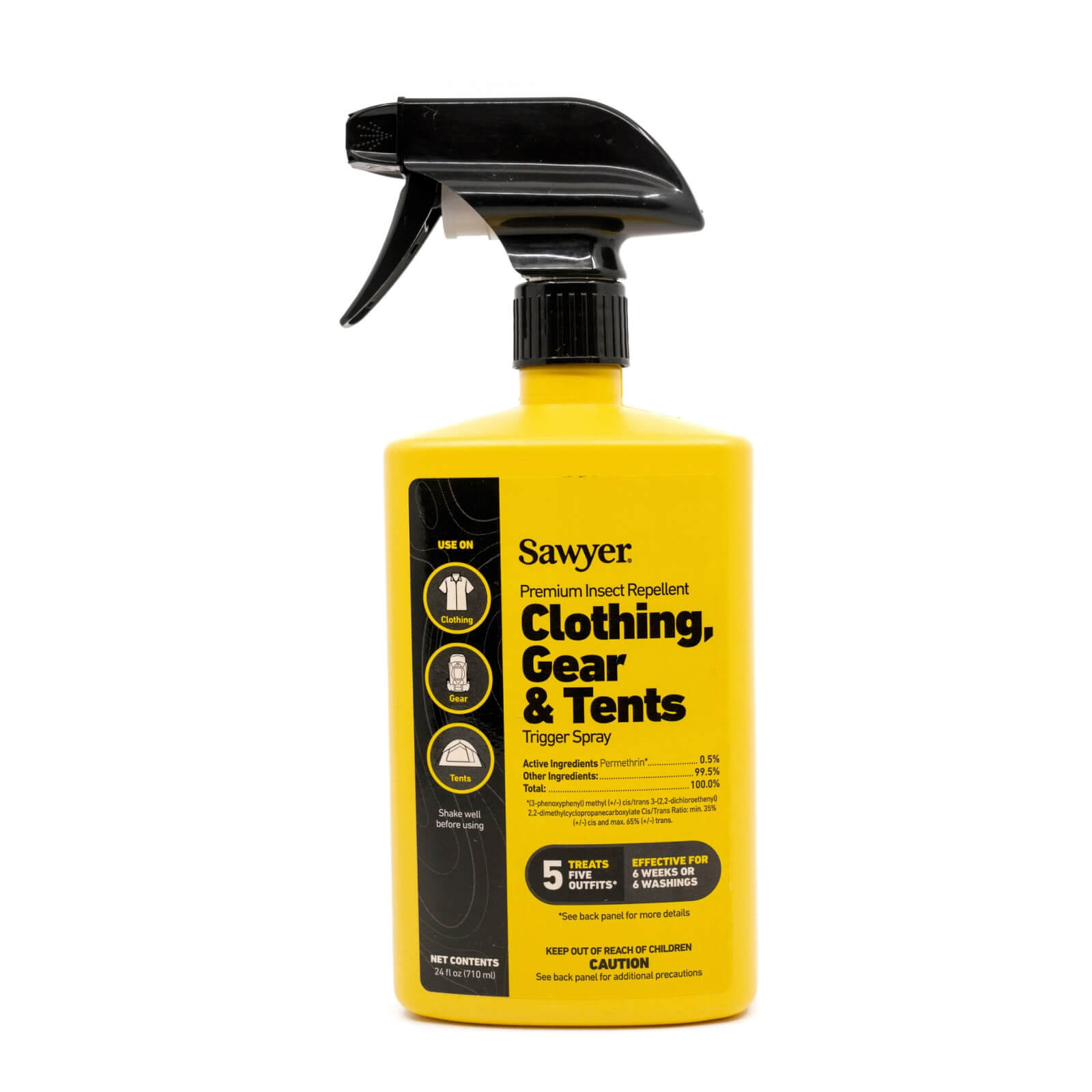
Sawyer Permethrin Insect Repellent
Sawyer Permethrin Insect Repellent
$17
Bug season? Treat your clothes with Sawyer Permethrin Insect Repellent before you head into the backcountry! Bugs hate the presence of permethrin and are their immune systems are harmed by it. This easy-to-apply protection is safe to use, lasts for many washes, and makes you an unappetizing target for mosquitoes, ticks, flies, and other nasties. Treat all outerlayer garments.
Deep Dive on Features
100% nylon vs 5-10% Spandex
When shopping for hiking pants, you will frequently encounter models made of either 100% nylon, or ~90-95% nylon with ~5-10% Spandex, Lycra, or elastane. The obvious upside is that the more Spandex, the stretchier the pants. Stretchy pants improve the functional range of movement and can be more comfortable to walk in, and are definitely more comfortable to scramble or climb in.
However, spandex blends come with some downside as well. Compared to 100% nylon, Spandex-nylon blends are slightly heavier, absorb more water, dry more slowly, are less durable/more prone to snagging, and stretch out or “bag and sag” over time. Pants that are 100% nylon need to be looser fitting to compensate for the lack of stretch, especially if you have thicker legs. Flowy, loose-fitting pants can be comfortable, but also create their own challenges and interfere with stepping.
Thus, there is no perfect fabric for hiking pants, and whether or not to choose a nylon-spandex blend, or a pair made of 100% nylon is largely dependent on personal preference and the traits you value most. That said, people have voted with their dollars and brands have voted with their product lines, and most people seem to prefer pants with a bit of stretch.
Why we love cargo pockets
Cargo pockets seem to fluctuate in and out of style, but they have never lost any utility for hikers. Our ideal hiking pants have a large cargo pockets, one on each thigh. And two cargo pockets is strictly better than one.
They are useful for storing all sorts of things, including: sunscreen, lip balm, maps, phones, snacks, gloves, a hat, a wallet, mosquito head net, compass, and so much more.
Every time you can reach into your cargo pockets to access gear instead of stopping to take your pack off saves a couple of minute. Added up over the length of a multi-day hike, cargo pockets could save half an hour of gear futzing.
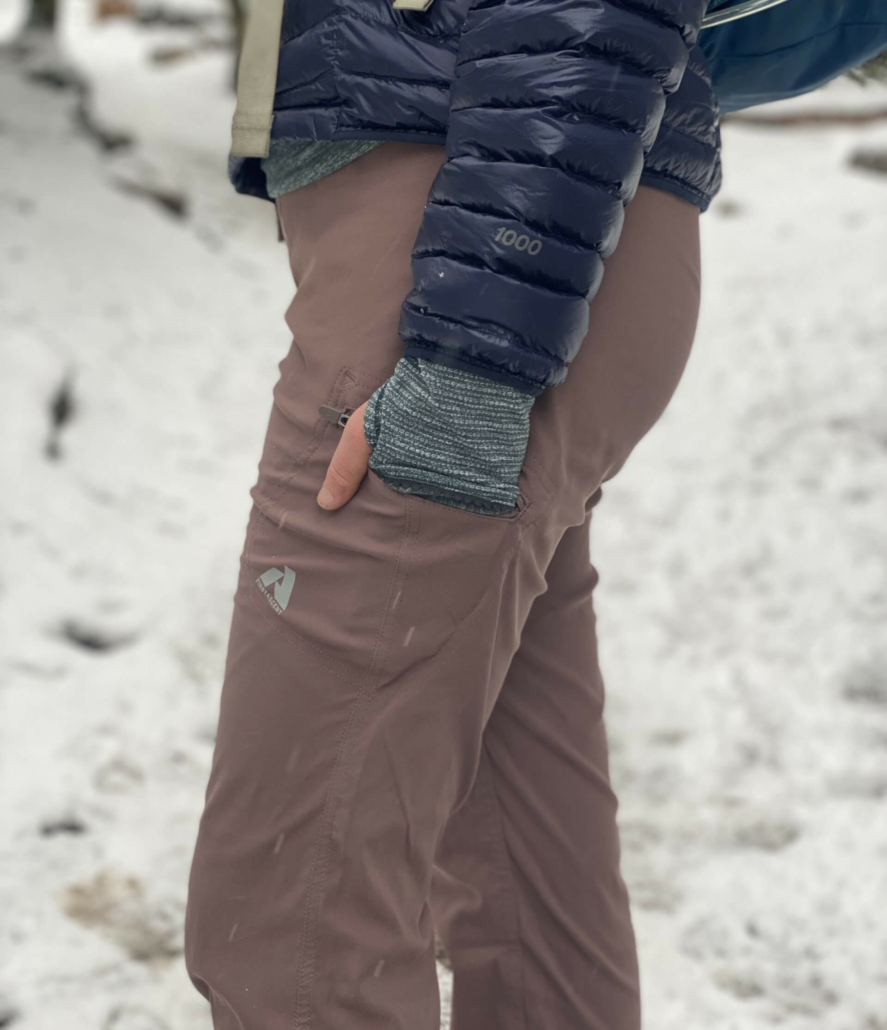
Hand pockets: scoop vs trouser style
Another feature worth discussing is hand pocket configuration, of which their are two main types: scoop pockets and trouser pockets.
Scoop pockets, commonly found on jeans, create something of a rounded 90 degree angle, allowing the hand to enter from the top, rather than the side. This does a superior job of securing the contents, but makes it more difficult to reach in and out of as their location at the hip crease can create contortion or tightness. Furthermore, repeatedly reaching into scoop pockets all throughout the day can start to chafe uncomfortably on the back of your hand.
Trouser pockets are far easier and more comfortable to reach in and out of, and feel more user friendly. But they also create a minor risk of contents falling out, depending on the position of your leg and the angle of the pocket. If you are considering a pair of hiking pants with trouser-style pockets, make sure they are extra deep to secure the load.
Perhaps the ideal hand pocket configuration is a blend between scoop and trouser, which is what we see on the Kuhl Renegade Convertible. Notice that the hand entry line is roughly a 45 degree angle, rather than 0 or 90. This is a best of both worlds feature, yet it is surprisingly rare.
Convertibles hiking pants vs non-convertibles
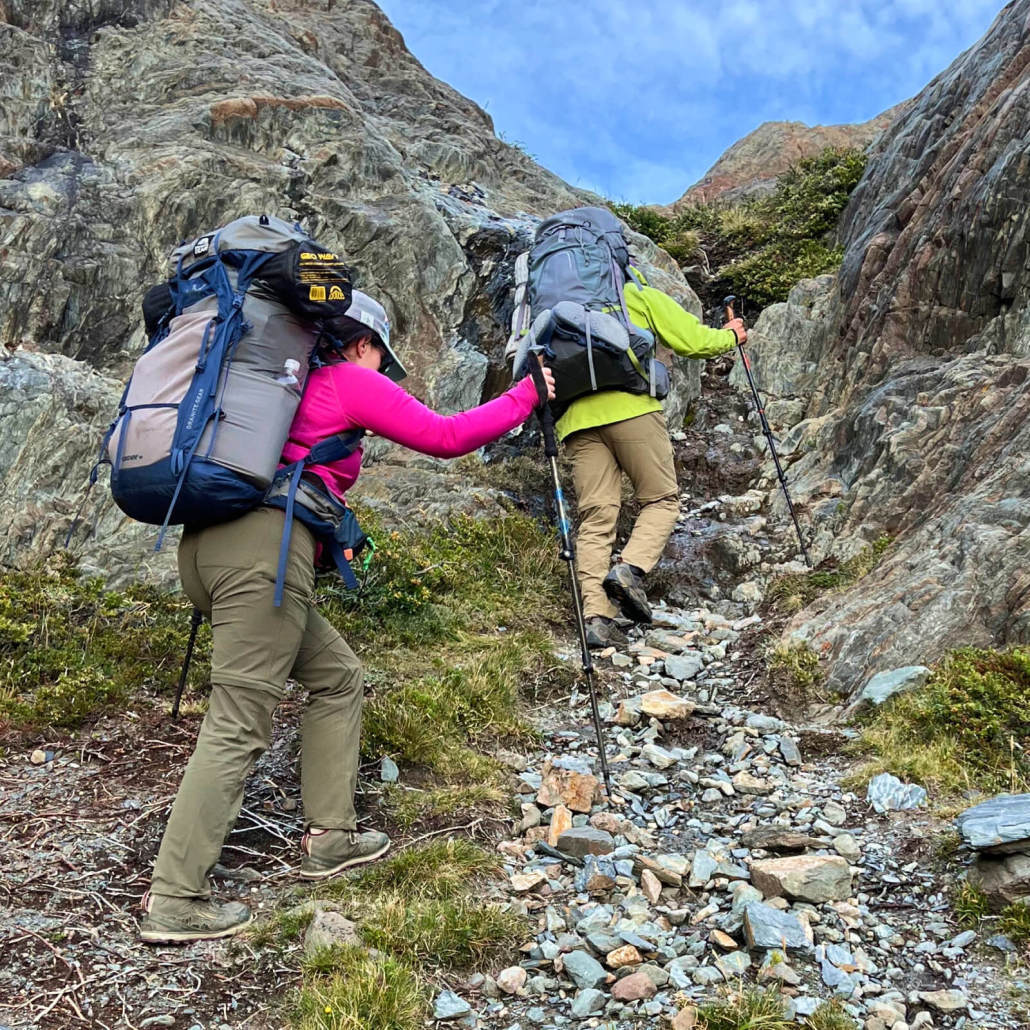
Convertible hiking pants, by which we mean those that zip off above the knee to create shorts, are always worth considering. Doubly so for backpackers. They have many benefits, but also some drawbacks. We will outline below:
Obviously, the main benefit is that you get two garments for the price/weight/volume of one. Being able to switch between shorts and pants is very handy in climates with big temperature fluctuations. And they offer major potential weight savings if it means you don’t need to pack shorts. This is a huge and obvious benefit that often outweighs the micro-downsides we’re going to list off below.
The downsides are less pronounced, but still very relevant. Primarily, when worn as pants, convertibles are simply less comfortable than non-convertibles. The presence of a stiff metal zipper creates an uncomfortable area at the lower thigh. Should your pants ever ride up, like in the middle of a large high step, the zipper may squeeze/choke/pinch the wide point of your mid-thigh, double so if you have thick and/or muscular legs.
Simply put, convertible pants are worse at being pants than true pants. What’s more, any pants can be rolled up and cuffed into capris. While this is less comfortable and far less airy than convertible pants in shorts-mode, it is at least something of a consolation prize.
If you’ve owned convertible, consider how often you actually convert them into shorts. People take advantage of this feature far, far less often than they envision that they will.
Lastly, convertibles are made with zippers. Zipper teeth can break, get stuck, get sand in them, and otherwise fail. You might be stuck with shorts, or worse, stuck with one leg in pants-mode and one leg in shorts-mode.
So should you choose convertibles? We think that’s up to you. If you’re the type who actually takes advantage of shorts-mode and/or are traveling to a climate that has very large temperature fluctuations, it could be very worthwhile. If you mostly wear them as pants and live in a cooler climate, or mostly wear them as shorts in a warmer climate, true pants and true shorts might be preferable.
Important bonus features for convertible hiking pants
If you choose to go with convertibles, there are a few important features to look for. All of the convertible pants in our guide have them, but they’re worth calling out.
First is the color coded zips. This helps you visually identify which lower leg goes with which upper leg.
Second is the lower leg zippers. They can run from hem to mid-calf, the knee, or even all of the way up to the main shorts zipper. This is useful in two ways, but also comes with downside. It is useful to have low leg zips in that they can be opened for ventilation.
It is even more useful because they allow the wearer to convert between pants and shorts without having to take their shoes off. This is especially important if you wear boots, and/or your shoes aren’t loose enough to be slipped in/out of without untying.
Lower leg zips can be a disadvantage too. Like the primary zip offs above the knee, the zipper teeth on the lower leg can also bend, break, stick, or otherwise fail. They add manufacturing cost that is always passed down to the consumer. Stashing removed lower pant legs in your pack is heavier and bulkier when they have zippers. Wearing pants with lower leg zippers adds additional stiffness, volume, bulk, and makes them less comfortable, rather than more comfortable.
Internal Drawstrings and Integrated Belts
In our opinion, internal drawstrings and integrated belts are just junk gizmos that seem attractive to brands and designers trying to sell a feature-rich product. They are less useful to the customers using them. While all well and good for non-technical garments, we dislike these features for any hiking pants with true zipper fly. They’re not for us, nor do we recommend them to you.
In our experience, internal drawstrings get stuck in the zipper fly, or interfere with the ability to use it. They frequently retreat into the inner sleeve and have be tediously pulled out, one inch at a time.
The drawstring is not very wide so it can create an uncomfortable amount of pressure in a concentrated band around your waist. We always wear a belt anyway, and a true belt is far superior in every single way to an integrated belt in terms of function, and pressure distribution, making the drawstring redundant in addition to inferior.
We also dislike like integrated belts for similar reasons. They add weight/cost/bulk. Like drawstrings, they are narrower, and less comfortable than a true belt. What’s more, pants designed with integrated belts often cannot be used with true belts. True belts do a better job of keeping pants up while also being wider and better at distributing pressure. And like drawstrings, true belts can also retreat into the inner workings of the pants and get stuck.
There are some good hiking pants built with drawstrings and integrated belts, including some models on this list. However, if we had a magic wand and could change those pants, we would still remove them and consider it an upgrade.
Why hiking pants over tights?
Compared to hiking pants, stretchy tights have fewer pockets, less durability, and less weather resistance and aren’t recommended in our guide. But if you like hiking in tights, please don’t let us stop you. Truly! Comfort is the single most important feature and you should wear what works best for you.
Hiking Pants Conclusion
We can’t stress enough how important it is to wear a well-fitting, comfortable, functional pair of hiking pants. The models in this guide have performed well for us, and we think they will for you too. Happy hiking! If you have any questions, please let us know in the comments.


 HOKA Challenger vs Speedgoat How To Choose