


Carbon Plated Trail Super Shoes Are A New Frontier of Performance Enhancing Race Gear
Bouncy Foam + Carbon Stiffening + Aggressive Rocker = Forward Propulsion
Carbon plated, propulsion enhancing trail super shoes are the next frontier of mountain racing technology. Their advantage, under the right circumstances, is that high energy return foam paired with carbon fiber stiffening and aggressive rocker helps to propel runners forward, increasing efficiency by up to 3%. Super shoes swept the podium at UTMB and have been worn for every sub 2-hour marathon.
However, super shoes are less effective on trail than road or track. Natural surfaces and slower paces limit propulsion potential. Furthermore, thick foam midsoles decrease stability while carbon plates decrease proprioception.
Characteristics to look for:
- Top tier midsole foam: ATPU, TPEE, PEBA
- Very stiff carbon plate
- Aggressive rocker
- Roomy forefoot
- Ultra breathable mesh
While you’re here, don’t miss our adjacent guides to standard trail runners, mesh running caps, photochromic sunglasses, and running sandals.
You make Adventure Alan & Co possible. When purchasing through links on our site, we may earn an affiliate commission at no additional cost to you. Here’s why you can trust us.
Cover Photo: The North Face SS VECTIV Pro 3
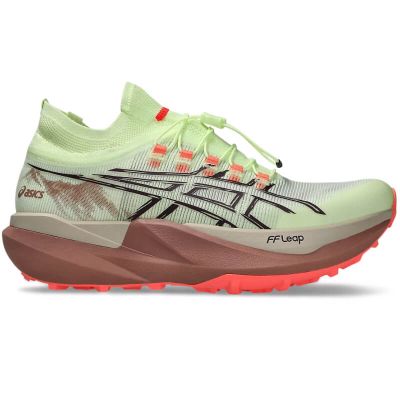


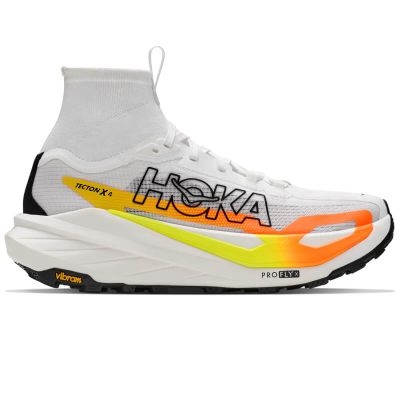
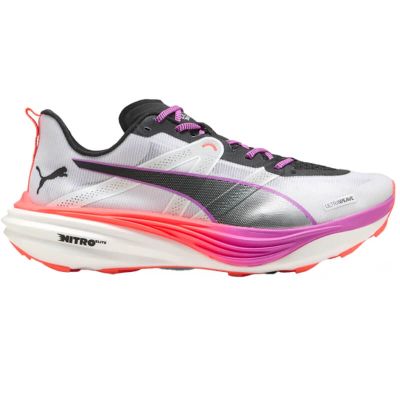

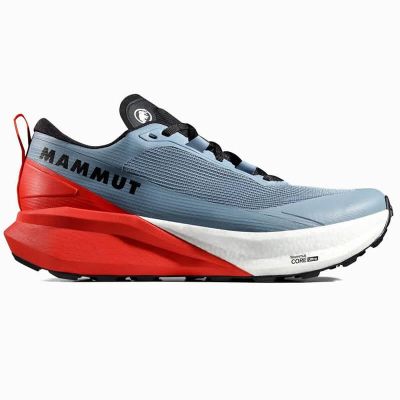


Recommendations for the Best Trail Super Shoes
Tier 1 – Best of the best, meets all criteria
- Major Race Winner: Asics Metafuji Trail 2
- Top Performer: The North Face SS VECTIV Pro 3
Tier 2 – Great trail super shoes, meets most criteria
- Top Performer: Brooks Cascadia Elite
- Top Performer: On Cloudultra Pro
- Top Performer: Nike ACG UltraFly Trail
- Speed on Gravel: Adidas Terrex Agravic Speed Ultra 2
- Speed on Gravel: HOKA Rocket X Trail
- Mountain Versatility: HOKA Tecton X 4
Tier 3 – Good and/or specialized, but doesn’t meet all criteria
- Gravel & Forest Roads: Puma Deviate Nitro Elite Trail
- Gravel & Forest Roads: New Balance FuelCell SuperComp Trail V2
- Value: Mammut Aenergy Trail Endurance Ultra Low
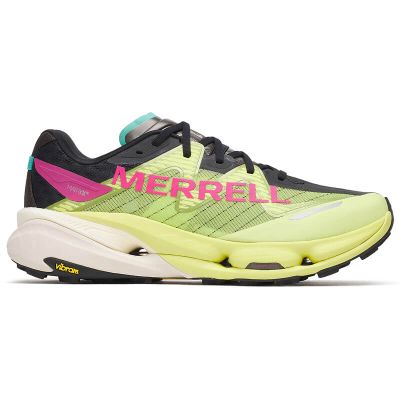
- Versatility: Merrell MTL SpeedArc Peak
- Difficult Terrain: Arc’teryx Sylan 2
- Difficult Terrain: Kailas FUGA EX PRO
- Very Difficult Terrain: The North Face SS VECTIV Sky 2
- Zero Drop, Wide Toe Box: Altra Mont Blanc Carbon
- Unpaved Hard Flat Surfaces: HOKA Mafate X
Not Yet Tested

Comparison Table
Mobile users rotate device for full-width table
| Make/Model | Price ($) | Prop-ulsion (1-5) | Carbon Stiffness | Rocker | Balance & Stability | List Weight (M’s 9) | Heel Stack (mm) | Drop (mm) | Lugs (mm) | Upper breath-ability |
| Adidas Trx Agr SU2 | 225 | 4 | mid | high | low | 9.5 | 43.0 | 8.0 | 3.0 | high |
| Altra Mont Blanc C | 275 | 1 | low | low | high | 11.3 | 29.0 | 0.0 | 3.5 | mid |
| Arc’teryx Sylan 2 | 220 | 2 | mid | mid | high | 10.0 | 31.5 | 6.0 | 4.5 | mid |
| Asics Metafuji Trail 2 | 280 | 5 | high | high | mid | 8.9 | 41.5 | 5.0 | 3.0 | high |
| Brooks Cascadia Elite | 275 | 4 | high | mid | mid | 9.4 | 40.0 | 6.0 | 3.5 | high |
| HOKA Mafate X | 225 | 3 | high | mid | low | 12.0 | 49.0 | 8.0 | 3.5 | high |
| HOKA Rocket X Trail | 250 | 4 | mid | high | mid | 9.5 | 37.0 | 6.0 | 3.5 | high |
| HOKA Tecton X 4 | 275 | 3 | mid | mid | mid | 9.6 | 39.8 | 5.0 | 4.0 | high |
| Kailas FUGA EX PRO | 300 | 3 | mid | mid | mid | 9.7 | 35.0 | 5.0 | 4-6 | mid |
| Mammut Aenergy | 199 | 3 | mid | mid | mid | 11.2 | 38.0 | 8.0 | 3.5 | mid |
| Merrell MTL SpeedArc | 290 | 3 | mid | mid | mid | 10.5 | 32.0 | 6.0 | 4.0 | high |
| NewBal FuelCell 2 | 220 | 4 | high | mid | mid | 9.8 | 35.6 | 8.0 | 3.0 | highest |
| Nike ACG Ultrafly | 260 | 4 | high | mid | mid | 10.1 | 38.0 | 8.5 | 3.0 | medium |
| On Cloudultra Pro | 260 | 4 | mid | mid | mid | 9.7 | 38.6 | 6.0 | 3.0 | highest |
| Puma Deviate Nitro | 250 | 3 | mid | mid | mid | 9.1 | 36.0 | 6.0 | 2.5 | high |
| TNF SS Vectiv Pro3 | 290 | 5 | high | high | high | 10.4 | 37.0 | 6.0 | 3.5 | highest |
| TNF SS Vectiv Sky2 | 230 | 2 | low | high | high | 8.4 | 24.5 | 6.0 | 5.0 | highest |
Tier 1 Trail Super Shoes
Best of the best, meets all criteria
Asics Metafuji Trail 2
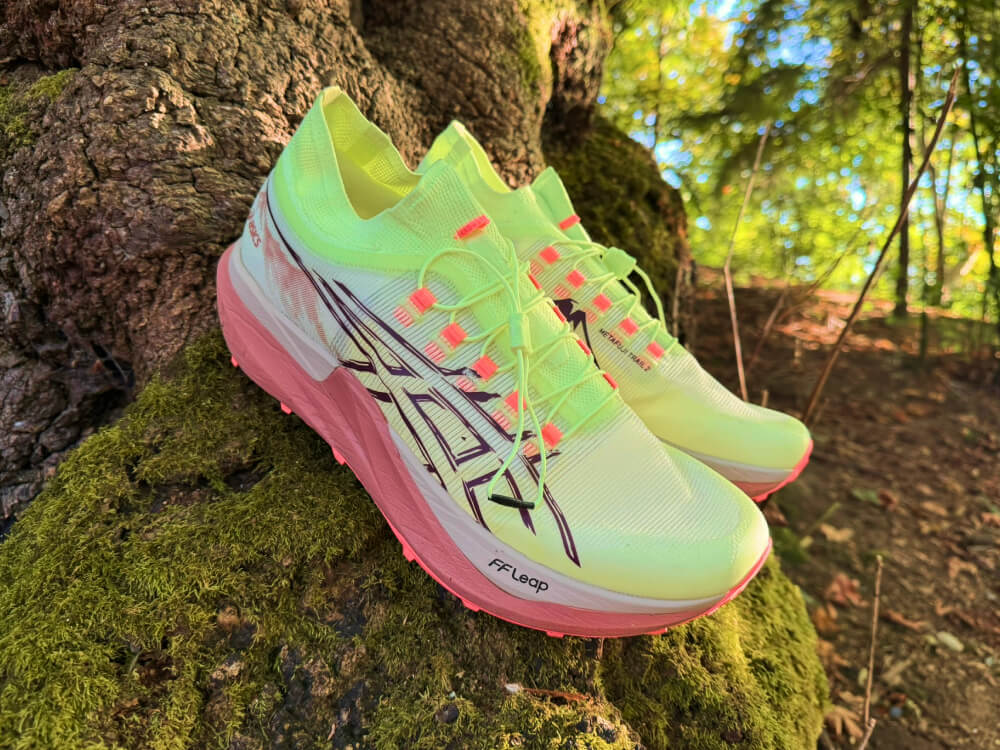
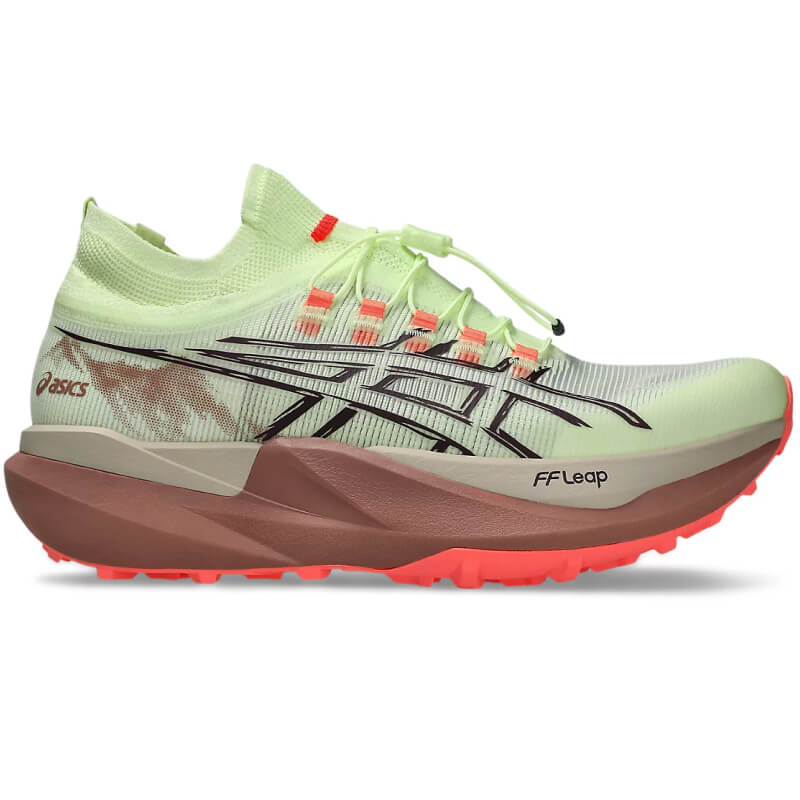
Pay your respects to Asics Metafuji Trail 2, the trail super shoes that accompanied Ben Dhiman to first place in the 2026 UTMB race. We’re not surprised though, because it’s extremely efficient, lighter than average, and with excellent propulsion potential. The latter comes from a premium, high energy return ATPU foam midsole layer (supplemented a plusher and more durable EVA/OBC layer), maximally stiff carbon plate, and aggressively rockered front. We also love the wide forefoot and roomy toe box, breathable mesh upper, and knit collar. Could take or leave the BOA-style lacing. Perhaps the biggest drawback is its narrow heel (second narrowest overall), which reduces traction and stability.
Fit: True to size in length. Average width heel and midfoot, widening at forefoot with spacious toe box.
- Price: $280
- Weight: 8.9 oz
- Stack, Drop: 41.5 / 36.5 / 5 mm
- Foam: ATPU, EVA, OBC
- Traction: Medium
- Breathability: High
- Stability: Medium-low
- Stiffness: High
- Rocker: High
- Propulsion Potential: High
- Optimal Terrain: Average Trail
- Pros: Won UTMB. Highest propulsion potential. Lighter than average. Collar blocks debris. Excellent front rocker. Superbly spacious toe box.
- Cons: More expensive than average. Collar reduces breathability. Narrow outer heel reduces stability. Minimal heel rocker. Use of EVA layer decreases max propulsion potential.

The North Face Summit Series VECTIV Pro 3
The North Face Summit Series VECTIV Pro 3 is our editor’s choice pick because they maximize every hallmark characteristic of trail super shoes, and do so better in most ways than most of their peers. The incredibly stiff, multi-level carbon plate combined with an aggressive rocker creates a maximum forward propulsion potential. The exaggerated exterior forefoot width, reinforced with exterior carbon winglets, offers best-in-class stability at every angle. TNF’s open mesh upper is more breathable than any other trail shoe fabric, so airy that you can see your sock through it (though this is disadvantageous in sand and dust). The midsole combines high energy return PEBA foam with a super critical TPU/EVA blend lower down for durability. The biggest drawback is that they offer basically zero proprioception. However, they’re so stable that I’ve had little trouble clomping over steep, sketchy trails.
Fit: True to size in length, average width throughout, roomy toe box, good heel lock.
- Price: $290
- Weight: 10.4 oz
- Stack, Drop: 37 / 31 / 6 mm
- Foam: PEBA/SC-TPU/EVA Blend
- Traction: Medium, 3.5 mm lugs
- Breathability: Highest
- Stability: High
- Stiffness: High
- Rocker: High
- Propulsion Potential: High
- Optimal Terrain: Average Trail
- Pros: Best-in-class stability, propulsion, breathability. Very high energy return potential. Great aesthetic. Premium laces.
- Cons: Most expensive. Foam edge near winglets wears quickly. Blend of mid tier foams decreases max energy return potential. Sand ingress. A bit heavy.
Tier 2 Trail Super Shoes
Great shoes, meets most criteria
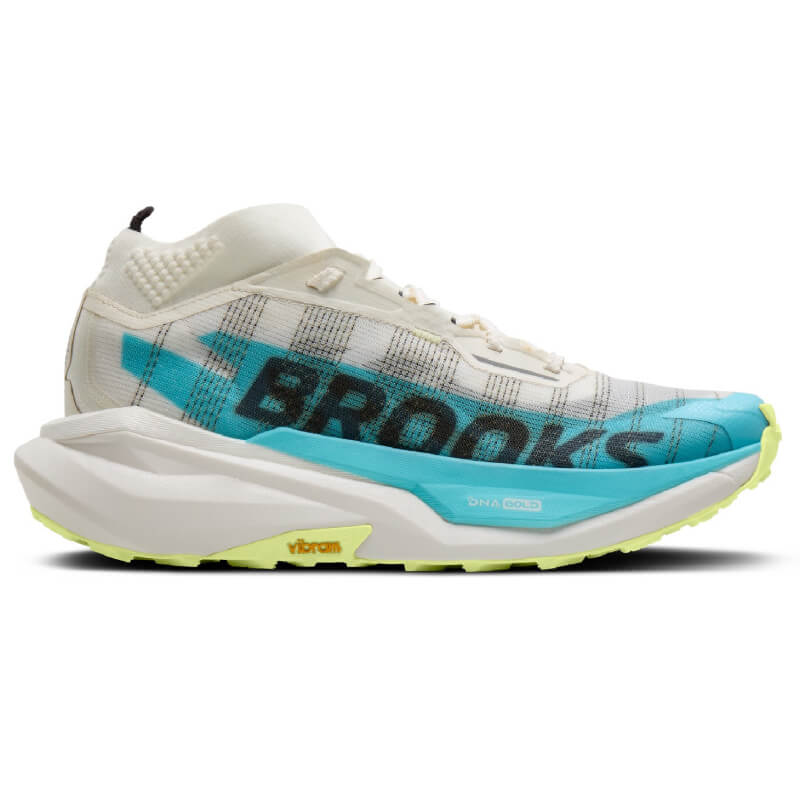
Brooks Cascadia Elite
For an excellent all-around trail super shoe made with premium components throughout, we definitely recommend the Brooks Cascadia Elite. This shoe achieves high propulsion potential through the combination of a very stiff Pebax plate, 100% high energy return PEBA foam midsoles, and lighter-than-average weight. Though it helps with traction and stability, the good-but-not-exaggerated rocker is its only feature not tuned for maximum propulsion. The single layer Kevlar reinforced mesh upper is light and extremely breathable. A sock-like collar keeps debris out. But like all built-in gaiters, this reduces breathability at the opening. The 3.5mm lugs and overall outsole traction are perfectly tuned for speed on moderate trails.
Fit: True to size in length, average width throughout heel and midfoot, widening slightly at forefoot.
- Price: $275
- Weight: 9.4 oz
- Stack Height, Drop: 40/ 34 / 6 mm
- Foam: PEBA
- Traction: Medium, 3.5 mm lugs
- Breathability: High
- Stability: Medium
- Stiffness: High
- Rocker: Medium
- Propulsion Potential: Medium High
- Optimal Terrain: Average Trail
- Pros: High propulsion potential. Lightweight 100% premium foam. Gaiter blocks debris. Highly breathable upper. Very stiff carbon plate. Pleasing aesthetic. Padded tongue, premium laces.
- Cons: Expensive. Gaiter reduces breathability. Rocker could be more aggressive.

On Cloudultra Pro
The On Cloudultra Pro is notable for its use of 100% high energy return TPEE super foam midsoles (similar to Adidas), a lighter than average weight, and a hyper breathable open mesh upper. The mesh on top is so breathable that it evokes the look of wicker; great to use in heat, but a poor choice for sand. We’d have preferred an extra half millimeter of lug depth and a bit more rocker, but this shoe is otherwise perfect. It’s also surprisingly stable, and the foam works great yielding a high energy return.
Fit: True to size in length and width, widening at forefoot and toe box.
- Price: $260
- Weight: 9.7 oz
- Stack, Drop: 38.6 / 32.6 / 6 mm
- Foam: TPEE
- Traction: Medium, 3 mm lugs
- Breathability: Highest
- Stability: Mid
- Stiffness: High
- Rocker: Mid
- Propulsion Potential: Medium High
- Optimal Terrain: Easy Trail
- Pros: Best-in-class breathability. 100% super foam. Great aesthetic. Very stiff carbon. More stable than you’d think. Premium laces.
- Cons: Moderate rocker. Runs small go up half a size. Rocker could be more aggressive.

Nike ACG Ultrafly Trail
Nike ACG Ultrafly Trail is a very well-rounded and versatile trail super shoe, perfect for mountain running on well-maintained courses. Most important are its ZoomX, 100% PEBA foam midsoles, which are noticeably bouncier than its peers. We are also impressed by the mega stiffest-in-class carbon plate. Ultrafly Trail’s bounce and stiffness overcome the drawbacks of a moderate rocker to yield great propulsion potential. An exaggerated exterior forefoot width helps balance out the tall stack height, but it’s only moderately stable overall. Breathability is a drawback here; the lightweight-but-tightly woven mesh upper blocks more airflow than most of its peers.
Fit: Half size short in length. Average width throughout heel and midfoot, widening significantly at forefoot and toe box.
- Price: $260
- Weight: 10.1 oz
- Stack Height, Drop: 38/ 29.5 / 8.5 mm
- Foam: PEBA
- Traction: Medium
- Breathability: Medium
- Stability: Medium
- Stiffness: High
- Rocker: Medium
- Propulsion Potential: Medium-High
- Optimal Terrain: Easy Trail
- Pros: Perceptibly bouncy foam. Exceptionally stiff carbon plate. Widened forefoot helps stabilize. Cushioned tongue and good heel. Great aesthetic. Good in sand and dust.
- Cons: Lower-than-average breathability. Not suitable for challenging terrain. Half a size short in length.

Adidas Terrex Agravic Speed Ultra 2
At time of publication, Adidas owns the claim to fastest road marathon shoe. Sebastian Sawe wore the Adizero Adios Pro Evo 3 on 4/26/26 for his 1:59:30 world record. A less extreme version of the same technology filters down to the Adidas Terrex Agravic Speed Ultra 2. ATASU2 also gets an exaggerated rocker and a thick layer of high energy return supercritical TPEE foam called Lightstrike Pro; a slightly heavier but more durable alternative to the Lightstrike Pro Evo used in the Adizero. The carbon propulsion system is rods rather than plates, which allows for superior lateral flexibility on uneven rocky surfaces. However, they are less stiff than a full plate, which is a slight hit to max propulsion potential. The biggest drawback is their overall low stability and balance, which is caused by its tall stack height with high arch support, and exceptionally narrow exterior heel. As such, this shoe is best suited to forest roads and meandering dirt trails; not stable or balanced enough for challenging mountainous terrain.
Fit: True to size in length, average width throughout.
- Price: $225
- Weight: 9.5 oz
- Stack Height, Drop: 43 / 35 / 8 mm
- Foam: SC TPEE
- Traction: Medium, 3 mm lugs
- Breathability: High
- Stability: Low
- Stiffness: Medium
- Rocker: High
- Propulsion Potential: Medium High
- Optimal Terrain: Forest Road
- Pros: Fast. 100% premium foam. Good value. Great aesthetic. Premium laces.
- Cons: Low stability, imbalanced by narrow heel. Bad for pronators. Only suitable for easy terrain. No tongue padding.

HOKA Rocket X Trail
HOKA’s latest trail super shoe, the road racing-inspired Rocket X Trail, combines aggressive rocker; extra wide outsole for stability; an H-shaped carbon plate for propulsion and lateral flexibility on uneven surfaces; a highly breathable upper, and ATPU midsoles for high energy return. ATPU is a premium newcomer in the super foam genre, more durable than PEBA, but slightly heavier and lower energy return. This is a really well-rounded trail super shoe that we recommend highly. While it isn’t the best at any one thing, and isn’t suitable to challenging terrain, it otherwise gets basically nothing wrong, and is an absolute ace on mellow trails. Arguably, its biggest drawback is that the forefoot/toe box aren’t widened to account for swelling.
Fit: True to size in length. Average trending narrow width throughout, no widening at forefoot.
- Price: $250
- Weight: 9.5 oz
- Stack Height, Drop: 37 / 31 / 6 mm
- Foam: ATPU
- Traction: Medium, 3 mm lugs
- Breathability: High
- Stability: High
- Stiffness: Medium
- Rocker: High
- Propulsion Potential: Medium High
- Optimal Terrain: Easy Trail
- Pros: High energy return potential. Lighter than average. Good stability. Great breathability. 100% premium foam. Great aesthetic. Premium laces.
- Cons: Not suitable for challenging terrain. Neither toe box nor forefoot are widened, overall fit is a bit narrow.
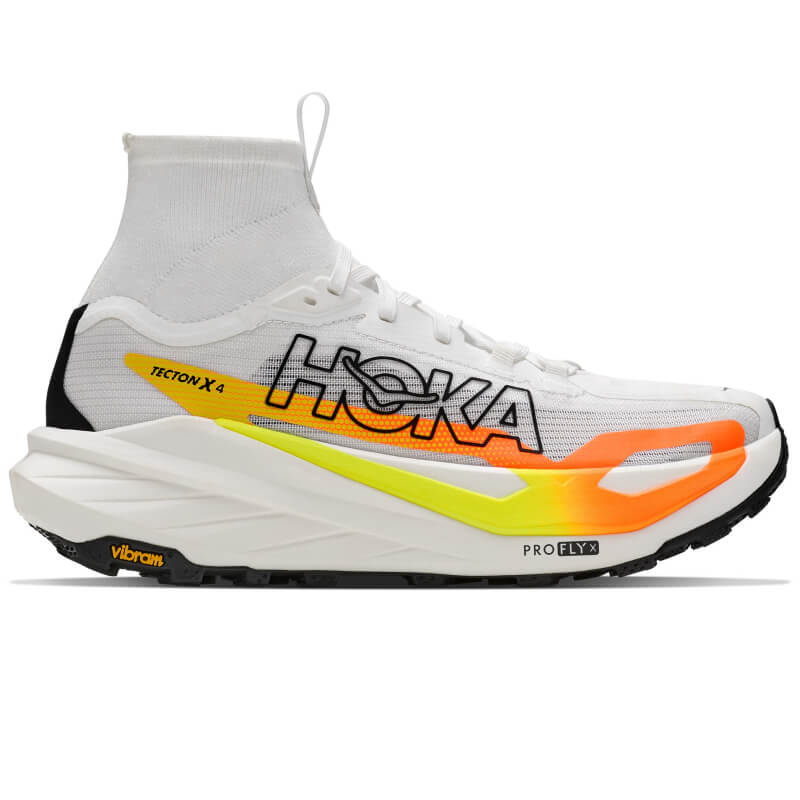
HOKA Tecton X 4
The HOKA Tecton X 4 is notable for its knit collar and ultra premium materials, including two layers of 100% high energy return PEBA midsole foam above the Vibram Megagrip outsoles with grippier-than-average 4mm lugs. The upper is also quite unique with airy mesh side panels, and a sock hugging collar that replaces the need for gaiters. Across the board, this is a very versatile trail super shoe with well-rounded specs. As a jack-of-all-trades, everything is good, and no characteristic is taken to the extreme (like with Terrex Agravic Speed Ultra 2). But like all shoes, there are cons. Because of the glove like, fabric-y upper and slightly-wider-than- average fit, low volume feet will shift around and/or have trouble getting a secure, locked-in fit without lace pressure (no tongue padding). Despite the premium midsoles, the moderate rocker and moderate stiffness decrease maximum energy return potential. Tecton X 4 is optimal for average mountain trails, and handles loose and uneven surfaces well, better than its speed-focused, gravel crushing sibling, the Rocket X Trail.
Fit: True to size in length, slightly wide from heel to forefoot.
- Price: $275
- Weight: 10.2 oz
- Stack Height, Drop: 40 / 35 /5 mm
- Foam: PEBA
- Traction: High, 4mm lugs
- Breathability: High
- Stability: Medium
- Stiffness: Medium
- Rocker: Medium
- Propulsion Potential: Medium
- Optimal Terrain: Average Trail
- Pros: 100% premium midsole foam. Great traction and modest rocker handles challenging terrain better than its peers. Collar blocks debris. Lightweight.
- Cons: Unstructured upper creates poor heel lock, potential lace pressure, hard to get a locked in fit. Collar is unnecessarily tall, reduces breathability. Expensive. Moderate rocker and stiffness decreases max efficiency potential.

Tier 3 Trail Super Shoes
Good and/or specialized, but doesn’t meet all criteria
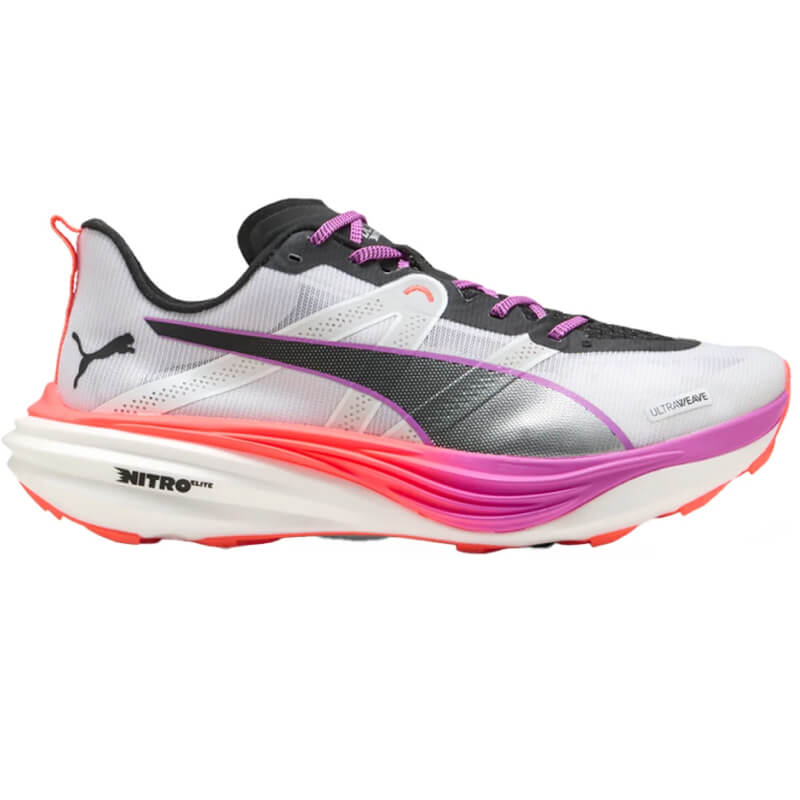
Puma Deviate Nitro Elite Trail
The Puma Deviate Nitro Elite is a hybrid trail super shoe that rides just as well on pavement as it does on forest roads and local parks. It’s most desirable characteristic is the ATPU midsole, a best-in-class foam notable for high bounce and energy return without sacrificing durability like PEBA. We also approve of the highly breathable upper and lighter than average weight. That said, there are drawbacks. The moderate rocker and moderate-stiffness carbon plate decrease max propulsion potential. Anyone seeking a wide forefoot/toe box won’t find it here. But its biggest drawbacks is the relatively flat and shallow tread, which narrows its use case significantly. It just isn’t aggressive enough for mountain running. Out of nearly 20 super trail shoes samples, these have less grip on steep or loose terrain than any other.
Fit: True to size in length. Average width through
- Price: $250
- Weight: 9.1 oz
- Stack, Drop: 36 / 30 / 6 mm
- Foam: ATPU
- Traction: 3mm
- Breathability: high
- Stability: medium
- Stiffness: medium
- Rocker: medium
- Propulsion Potential: medium
- Optimal Terrain: Forest Road
- Pros: Best-in-class midsole foam. Light weight. Good breathability.
- Cons: Moderate rocker and moderately stiff carbon plate decrease max propulsion potential. Narrow heel reduces stability. Not suitable for challenging terrain.

New Balance FuelCell Super Comp Trail v2
Of all the shoes in this guide, New Balance FuelCell Super Comp Trail v2 feels the least exciting, and most like they just added Vibram Megagrip outsoles and a carbon propulsion plate to traditional road running shoes. It comes complete with a lower durability (but highly breathable!) mesh upper, and a very traditional 8mm drop. What we like most about this shoe is its superbly breathable mesh, lower-than-average price, use (of some) PEBA foam, and a stiffer-than-average carbon plate. That being said, we found this to run about a quarter to a half size short in length, so size up if you’re in between or want extra room for descending steeps. Because of the flimsy tongue which lacks cushioning under the top lace, getting a locked-in fit involved more lace pressure than is preferable. This can be problematic considering the mediocre heel lock. From specs to aesthetics, this is an unassuming and safe, but also unambitious trail super shoe. We wouldn’t necessarily seek it out, but might look for it on sale!
Fit: half size short in length. A bit wider-than average throughout.
- Price: $220
- Weight: 9.8 oz
- Stack Height, Drop: 35.6/27.6/8.0 mm
- Foam: PEBA/EVA/TPU
- Traction: Medium, 3 mm lugs
- Breathability: High
- Stability: Medium
- Stiffness: High
- Rocker: Medium
- Propulsion Potential: Medium-High
- Optimal Terrain: Average Trail
- Pros: Highly breathable upper. Good value.
- Cons: Runs a bit short, consider sizing up. Unambitious design. Boring aesthetic. Blended with mid-tier foams. Not suitable for challenging terrain. No cushioning under top lace. Poor heel lock.
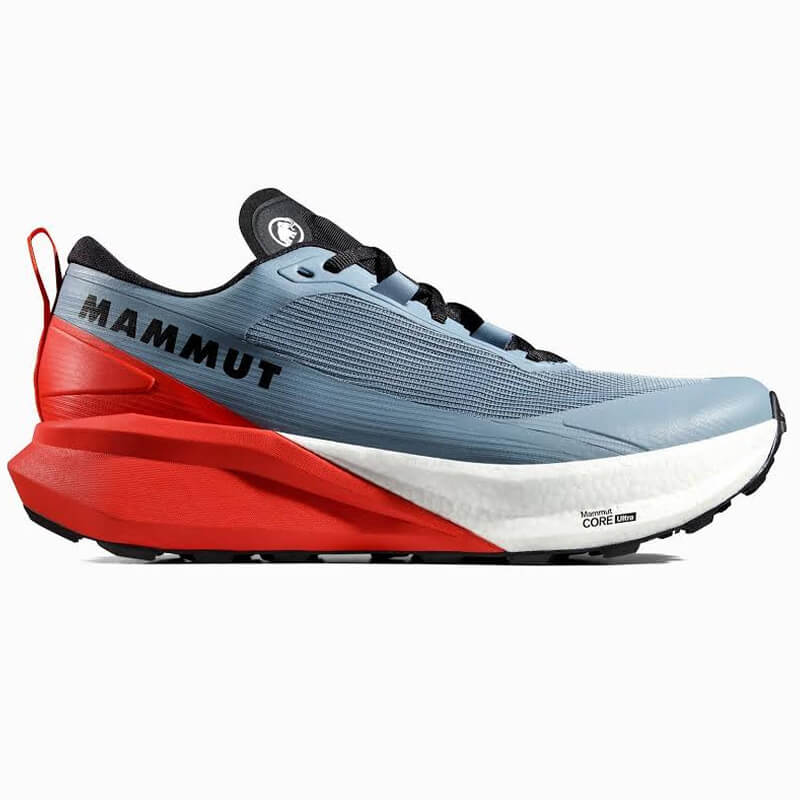
Mammut Aenergy Trail Endurance Ultra Low
What stands out most about Mammut Aenergy Trail Endurance Ultra Low is that they’re among the least expensive super trail shoes on the market, with a high performance-to-price ratio. Other notable pros include the premium Vibram Litebase outsole with versatile 3.5mm traction lugs, and a full-coverage, lightly cushioned tongue that isn’t too short. While there is basically nothing wrong with it apart from being a little heavier than average, propulsion is the raison d’etre for super shoes, and Aenergy TEUL’s boosting potential isn’t particularly high. This is due to their overall conservative design, which includes a moderately stiff carbon plate, moderate rocker, and use good-but-not-top-tier ETPU and SCEVA foams. From an American perspective, it also runs just shy of half a size small.
Fit: Runs almost half a size short. Average width throughout, widens slightly at forefoot.
- Price: $199
- Weight: 11.2 oz
- Stack Height, Drop: 38.0/30.0/8.0 mm
- Foam: ETPU/SC EVA
- Traction: Medium, 3.5 mm lugs estimated
- Breathability: Medium
- Stability: Medium
- Stiffness: Medium
- Rocker: Medium
- Propulsion Potential: Medium
- Optimal Terrain: Average Trail
- Pros: Superb value. Premium outsole. Nice tongue.
- Cons: Heavy. Runs nearly half a size small. Moderate stiffness, rocker, and mid-tier foams limit propulsion potential.
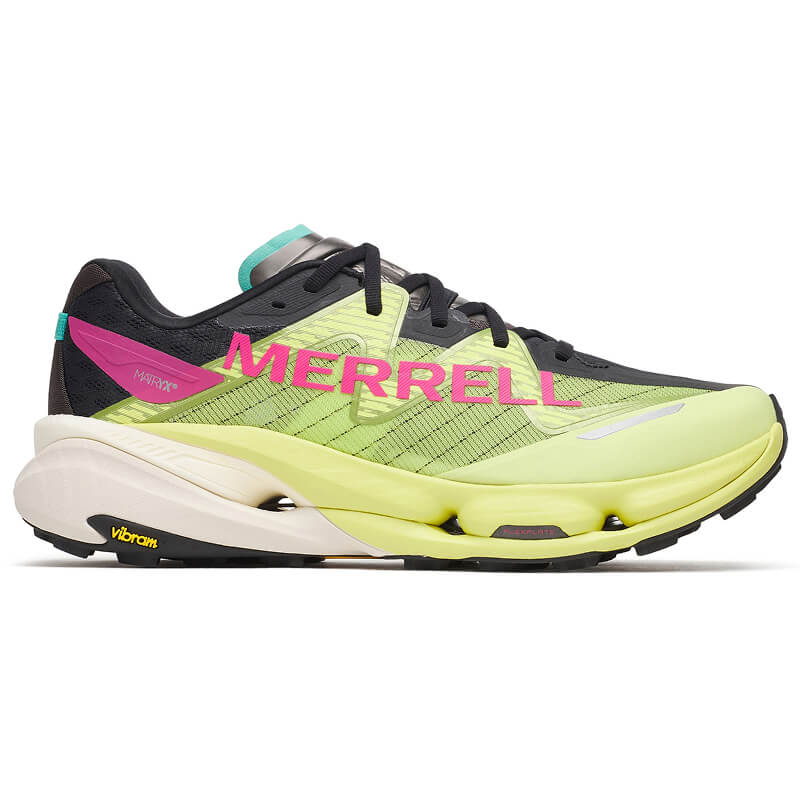
Merrell MTL SpeedARC Peak
Merrell MTL SpeedArc Peak is the brand’s fastest and flashiest shoe to date, and how about that yellow, blue, and pink colorway! While there’s definitely things to like as-is, we look forward to future generations because fine tuning is required. For starters, we’ll shout out the top layer of PEBA foam for energy return, hyper breathable mesh side panels, and superb traction via 4mm Vibram MegaGrip Elite lugs. That being said, it’s among the most expensive trail super shoes on the market, and the second heaviest in this round-up. The combination of moderate rocker, moderate carbon stiffness, and use of EVA in the bottom half compromises maximum propulsion potential. I also take issue with the tongue which has a non-breathable plastic-y top coat, and cushioning that stops just before the knot, allowing a pressure point to form. It runs ever-so-slightly shorter in length than its peers, and lack of widening at the forefoot fails to account for swelling after a long day on the move.
Fit: On the short end of true to size in length. Average width throughout, no widening at forefoot.
- Price: $290
- Weight: 10.5 oz
- Stack Height, Drop: 32.0/26.0/6.0 mm
- Foam: PEBA/SC EVA
- Traction: high, 4 mm lugs
- Breathability: High
- Stability: Medium
- Stiffness: Medium
- Rocker: Medium
- Propulsion Potential: Medium
- Optimal Terrain: Average Trail
- Pros: Highly breathable side panels. Partial use of premium foam boosts energy return. Fun colors.
- Cons: Heavy. Very expensive. Fit does not accommodate long distance and swelling. Combination of moderate rocker, moderate stiffness, and low-tier foam blend compromises max propulsion potential. Non-breathable tongue. Tongue does not cushion below knot.

Arc’teryx Sylan 2
While most trail super shoes attempt to maximize energy return with tall stack heights and exaggerated rockers, Arc’teryx Sylan 2 bucks that trend. This simple, understated design is like if you added a carbon propulsion plate and knit collar to what is otherwise a standard trail shoe. The moderate 31.5mm stack height combined with a moderate rocker make this Sylan 2 naturally more stable than its peers. Stability, combined with aggressive Vibram Megragrip 4.5mm lugs, makes it a great choice for mountainous terrain that would overwhelm the speed-focused models like Adidas Terrex Agravic or HOKA Trail X Rockets. While energy return is nearly impossible to measure on trail shoes, it is extremely unlikely that these would land at the top of the heap. But they’re not really even trying for that; all terrain versatility is prioritized over speed.
Fit: True to size in length. Average trending narrow throughout, without much widening at forefoot.
- Price: $220
- Weight: 10.0 oz
- Stack Height, Drop: 31.5 / 25.5 / 6 mm
- Foam: SCTPE/SCEVA
- Traction: High, 4.5 mm lugs
- Breathability: Medium
- Stability: Medium
- Stiffness: Medium
- Rocker: Medium
- Propulsion Potential: Medium low
- Optimal Terrain: Average Trail
- Pros: Better functionality on challenging terrain than its peers. Shorter stack height increases balance and stability. Good value. Collar blocks debris.
- Cons: Moderate and unambitious rocker. Collar reduces breathability. Medium breathability upper. Blended with mid-tier foams. Narrower fit.

Kailas FUGA Ex Pro
On the short list of high-traction trail super shoes designed for racing on challenging terrain, Kailas FUGA Ex Pro stand out for having the thickest foam midsoles. They’re at least as grippy as, and quite a bit thicker than the technically-oriented TNF Vectiv Sky 2 and Arc’teryx Sylan 2. As such FUGA EX Pro is uniquely positioned on the market, and worth considering for its rare combination of traction and stack height (kind of like a super shoe version of HOKA Speedgoat). On top of that, we really appreciate the two-section lace tightening system called AWS (Adjust Whole Sole) 3.0™, which yields a superbly locked-in fit around the mid-foot. But like every shoe in existence, there are drawbacks. For starters, it’s the most expensive option we’ve tested. Out of twelve shoes measured at time of publication, it has the single narrowest forefoot outsole, and second narrowest heel outsole. This decreases stability, but can help with accuracy of foot placement. Lastly, and perhaps most notably, the combination of moderate stiffness, moderate rocker, and use of SC-TPU midsole foam (instead of tier 1 foams like PEBA, ATPU, or SC-TPEE) limits maximum propulsion potential, though energy return is overall still good.
Fit: Runs a bit long (for US sizes) consider going down if in between sizes. Average width throughout.
- Price: $300
- Weight: 9.7 oz
- Stack Height, Drop: 35/30/5 mm
- Foam: SC-TPU
- Traction: High, 4-6 mm lugs
- Breathability: Medium
- Stability: Medium
- Stiffness: Medium high
- Rocker: Medium
- Propulsion Potential: Medium
- Optimal Terrain: Difficult Trail
- Pros: Lighter-than-average. Excellent traction, good functionality on challenging terrain. Effective two-section lacing system. Tongue cushion. Durable upper.
- Cons: Most expensive. Moderate stiffness and moderate rocker decrease max propulsion potential. Midsole foam is good but not top tier. Narrower-than-average outsole decreases stability.

Altra Mont Blanc Carbon
If you want a zero drop wide toe box trail super shoe, your options are strictly limited to Altra Mont Blanc Carbon. That alone makes it justifiable as a choice if you prefer Altra’s footshape. While it’s difficult to measure energy return and propulsion potential, the thinner-than-average midsole, low rocker, and not-particularly-stiff carbon plate make this one less super shoe-like than the more exaggerated Vectivs, Agravics, and Rockets of the world. That said, the wide toe box, low rocker, shorter stack height, and zero drop all increase stability, making this a very solid choice for challenging terrain. As a side note, I would love to see a super shoe version of my personal favorite Altras, the Experience Wild.
Fit: True to size in length, average at heel widening at forefoot and toe box.
- Price: $275
- Weight: 11.3 oz
- Stack Height, Drop: 29/29/0 mm
- Foam: SCTPE/TPU/EVA
- Traction: Medium, 3.5 mm lugs
- Breathability: Medium
- Stability: Medium
- Stiffness: Low
- Rocker: Low
- Propulsion Potential: Low
- Optimal Terrain: Average Trail
- Pros: Only zero drop option. Wide toe box. Good stability and balance.
- Cons: Low stack, low rocker, low stiffness, zero drop combine for low propulsion potential. Heavier than expected. Blended with mid-tier foams. Modest breathability.

The North Face Summit Series VECTIV Sky 2
TNF Summit Series VECTIV Sky 2 is a highly specialized, niche trail super shoe designed to handle technical trails with speed and traction. It achieves this with whopping 5.5 mm lugs, a narrow fit, and an ultralight, stable, low 24.5mm heel stack height. Like Vectiv Pro 3, Sky 2 has a ridiculously breathable mesh upper. It’s so breathable that you can see your socks through it, but this allows easy sand ingress; not good in the desert. Some of the design choices strike us as odd. If it’s designed for technical terrain, why even make it a super shoe in the first place, and why exaggerate the rocker so much? We don’t expect many to choose this shoe, but it does do what it was designed for quite well.
Fit: true to size in length. Average at heel trending narrow at midfoot, opens up slightly at forefoot.
- Price: $230
- Weight: 8.4 oz
- Stack Height, Drop: 24.5/18.5/6 mm
- Foam: SCTPU
- Traction: High, 5 mm lugs
- Breathability: Highest
- Stability: High
- Stiffness: Low
- Rocker: High
- Propulsion Potential: Medium-Low
- Optimal Terrain: Difficult Trail
- Pros: Incredible traction. Best-in-class breathability. Ultralight weight. Premium laces.
- Cons: Very little cushion, bad for high mileage. Narrow fit. Aggressive rocker doesn’t make sense with the rest of the shoe. Low stiffness and minimal foam reduce maximum energy return potential. Sand ingress.

HOKA Mafate X
HOKA Mafate X is the plushest, most cushioned trail super shoe we tested, but also the heaviest, tallest, least stable, and most clumsy. While the upper material is highly breathable, and we appreciate the use of best-in-class PEBA foam, it feels like they’re better suited to road than trail. Another downside is the thin, slightly-too-short tongue that ends up causing lace pressure directly under the knot. While highly notable, we do not recommend Mafate X to most people.
Fit: True to size in length. Average width throughout widening slightly at forefoot.
- Price: $225
- Weight: 12.0 oz
- Stack Height, Drop: 49/41/8 mm
- Foam: PEBA/SCEVA
- Traction: Medium, 3.5 mm lugs
- Breathability: High
- Stability: Low
- Stiffness: High
- Rocker: Medium
- Propulsion Potential: Medium
- Optimal Terrain: Forest Road
- Pros: Maximum foam possible. Breathable upper.
- Cons: Tall, heavy, clumsy, unstable and unbalanced. Blended with mid-tier foam. Intense pressure at top of laces required for locked in fit.

Side by side testing Adidas Terrex Agravic Speed Ultra 2 vs HOKA Tecton X 3
Are Trail Super Shoes For You?
Trail supers shoes ARE good for:
- Activity: Trail racing, PRs & FKTs, time trials, fast paced trail running
- Terrain: Gravel, dirt trail, forest road, sand, grass, intermittent pavement, moderate steepness, relatively level tread
- Demographic: Competitive runners with good form and disposable income optimizing for every possible advantage
Trail supers shoes are NOT good for:
- Activity: Casual running, Training, hiking, walking, daily wear, scrambling
- Terrain: Steep descents, side-sloping tread, rocky surfaces, scree, talus, log crossing, Class 2+
- Demographic: Beginner runners, value shoppers, anyone with injury or major pronation/supination

Super shoe anatomy: aggressive rocker, carbon stiffening, high energy return foam.
How to Choose Trail Super Shoes By Need
- For Max Propulsion Potential
- Look for: Maximally aggressive rocker, stiffest unbending carbon plate, thick midsole of ATPU, TPEE, or PEBA
- Example: Asics Metafuji Trail
- For Easy Terrain (ex. forest roads, local parks, gravel)
- Look for: 3 mm lugs, tall stack heights, highly aggressive rocker
- Example: Adidas Terrex Agravic Speed Ultra 2
- For Moderate Terrain (ex. most popular mountain trails)
- Look for: 4 mm lugs, good stability, moderate rocker
- Example: HOKA Tecton X
- For Challenging Terrain (ex steep, rocky, uneven trails)
- Look for: 5 mm lugs, low to moderate stack heights, great stability, less stiff carbon plates
- Example: The North Face Summit Series VECTIV Sky 2
- For Technical Terrain (ex. talus, scree, scrambling)
- Look for: Traditional trail shoes that bend (NOT Super Shoes) with 5 mm lugs
- Example: HOKA Speedgoat
- For Desert Sand
- Look for: Tightly woven mesh uppers. Avoiding open mesh
- Example: Arc’teryx Sylan 2, Nike ACG Ultrafly

Oops wrong choice! HOKA Mafate X were too tall and clumsy for the volcanic, rocky trail on Kulshan, WA.
Conclusion to the Best Trail Super Shoes
By propelling runners forward, carbon plated trail super shoes are sure to make a splash in the world of mountain racing. But keep in mind that the super shoe effect is less pronounced on trail than road or track; the harder the trail, the less propulsion. When shopping trail super shoes, look for aggressive rockers, stiff carbon plates, and the bounciest super foam you can get. Doubters consider this: (1) Super shoes are effective on easy terrain; (2) virtually all trails have some easy sections. (3) Therefore, even if you only realize 20% of the possible benefit, that is still a non-zero performance boost. Happy trails!


Leave a Reply
Want to join the discussion?Feel free to contribute!