

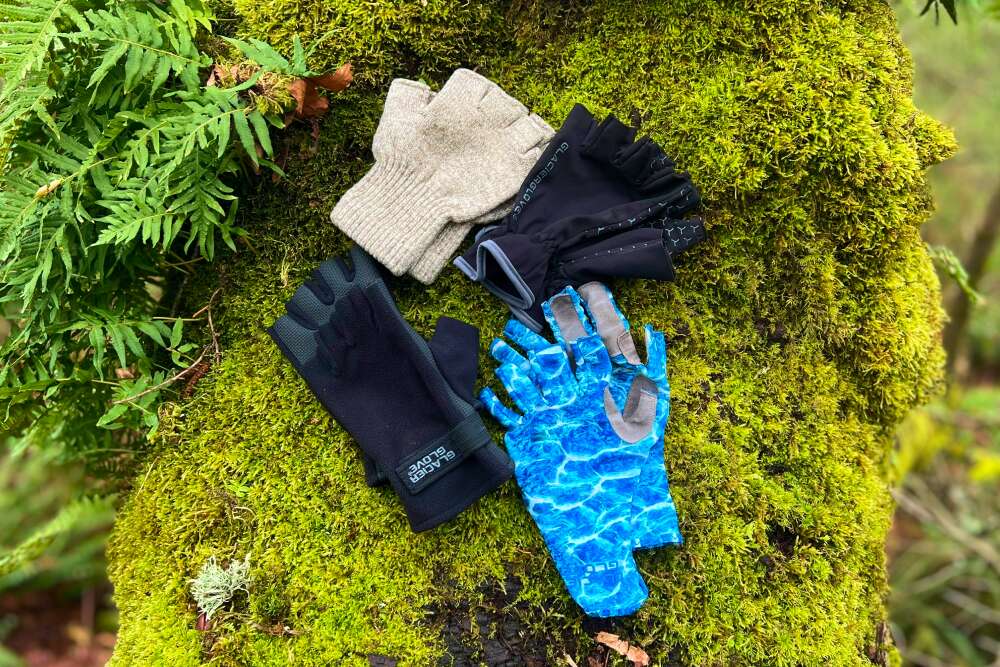
Warm fingerless gloves increase comfort without sacrificing dexterity
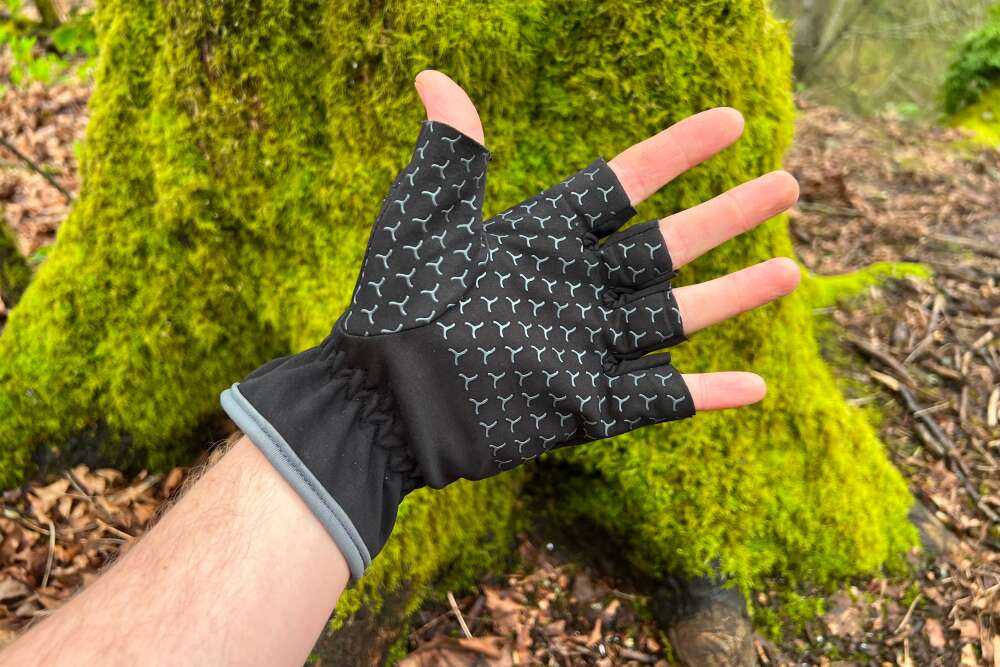
Compared to full-finger alternatives such as liner gloves, the best fingerless gloves offer a massive dexterity boost, while only sacrificing a small amount of total warmth. They are perfect to wear for hiking and backpacking, because they do not impede dexterous tasks such as GPS navigation, feeling around inside a pack, jacket zipping, camp cooking, tent pitching, etc.
Despite their fingerless-ness, you will be amazed to discover that the best fingerless gloves still help warm your fingertips. If your palm and the lower half of your fingers are insulated, this will increase circulation to the tips, and you will be warmed internally by virtue of improved blood flow. While your fingertips will still be colder than with full coverage gloves, they will likely be sufficiently warm for most trips above freezing most of the time. Jump ahead to read our hand warming tips.
Our recommendations are grounded in a mixture of backcountry testing, marketplace analysis, meta-study, gear review savvy, and industry expertise. We have tested most of these fingerless gloves, and will be confirming a few speculative picks over the course of this season.
While you’re here, you may also be interested in other types of hiking gloves, sun gloves, rain mitts, and accessories such as sun hats and backpacking sandals. We intend to publish a flip mitten guide later this season.
You make Adventure Alan & Co possible. When purchasing through links on our site, we may earn an affiliate commission at no additional cost to you. Here’s why you can trust us. Now back to the best fingerless gloves.
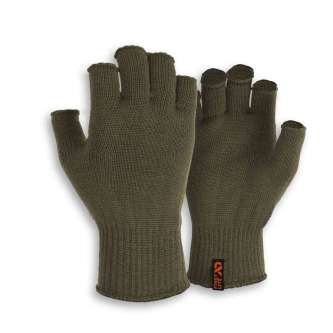
Quick Picks For The Best Fingerless Gloves For Hiking
- Best Buy: Fox River Ragg
- Best Buy: Minus 33 Merino
- Top Pick: Outdoor Research Fairbanks
- Best Ultralight: Zpacks Brushtail Possum
- Best Dexterity: First Lite Talus Merino
- Warmest Grip: Glacier Gloves Alaska River
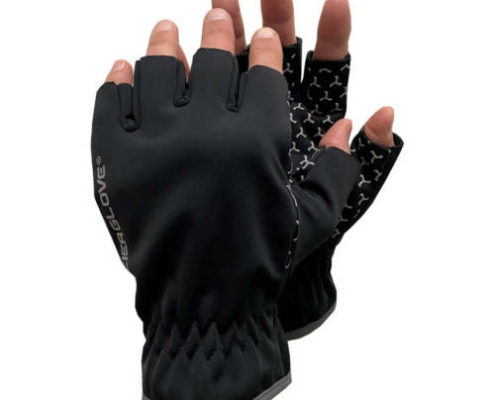
- Best Soft Shell: Glacier Gloves Cold River
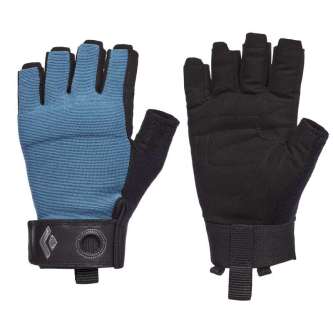
- Best Durability: Black Diamond Crag Half-Finger
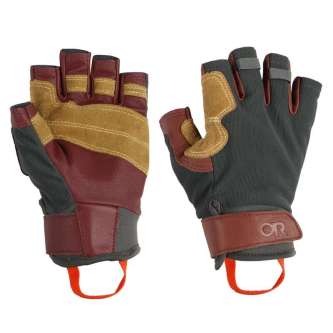
- Best Leather: Outdoor Research Fossil Rock II
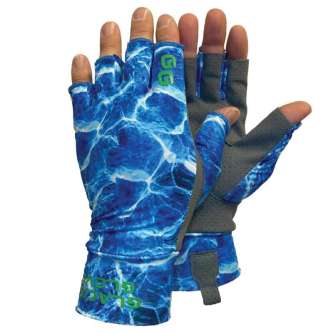
- Best Sun Gloves: Glacier Gloves Ascension Bay
Best Fingerless Glove Comparison Table
Mobile users rotate device for full-width view
| Make/Model | Price ($) | Weight (oz) | Material | Warmth (1-5) |
| Fox River Ragg | 17 | 1.9 | 83% Wool, 15% Nylon, 2% Spandex | 3 |
| Minus33 Merino | 20 | 2.4 | 90% Merino, 7% Nylon, 3% Spandex | 3 |
| OR Fairbanks | 35 | 2.8 | 100% Merino | 3 |
| First Lite Talus | 25 | 2.0 | 100% Merino | 3 |
| Glacier Gloves Alaska River | 20 | 2.2 | Windstopper Fleece, Neoprene | 3 |
| Zpacks Brushtail Possum | 30 | 1.0 | Possum, Merino, Nylon, Acrylic, Elastic | 2 |
| Glacier Gloves Cold River | 28 | 1.5 | Soft shell | 2 |
| Glacier Gloves Ascension Bay | 27 | 1.7 | Lycra, Synthetic Leather | 1 |
| BD Crag Half-Finger | 20 | 2.5 | Stretch Mesh, Synthetic Leather | 2 |
| OR Fossil Rock II | 39 | 5.6 | Polyester, Spandex, Leather | 2 |
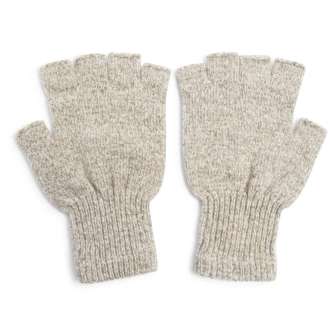
Fox River Ragg Fingerless Gloves
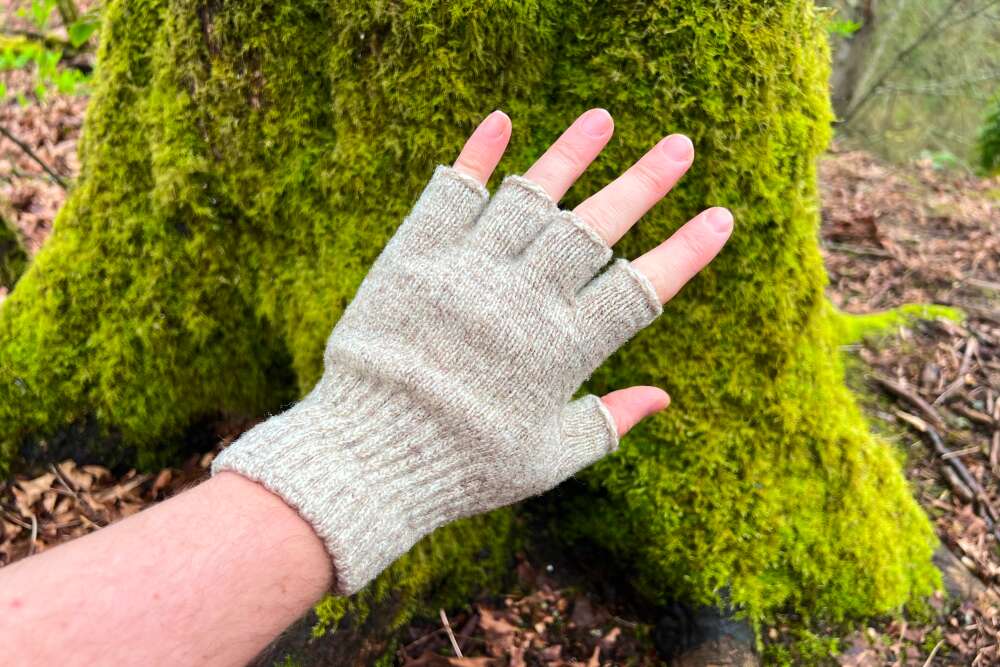
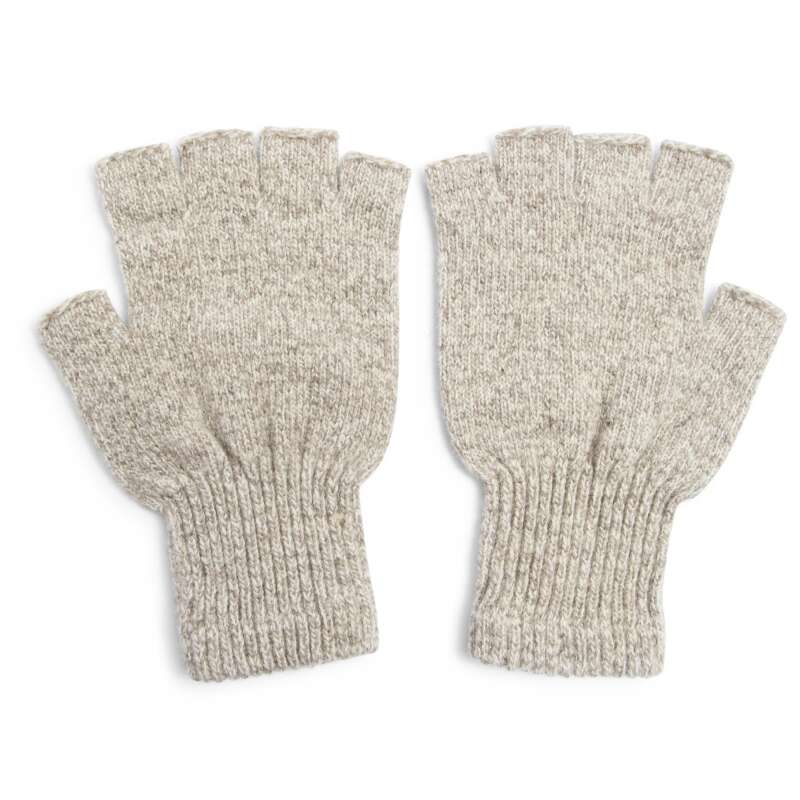
The Fox River Ragg are a really nice pair of fingerless wool gloves for just $17, and one of the obvious best buys in the genre. They feel thick and warm, thanks to the 83% wool, tough thanks to the addition of 15% nylon, and dexterous thanks to the 2% Spandex. The Ragg wool is more durable than other wool textiles (at the expense of being scratchier), which prolongs the lifespan and protects against backcountry rigors. They are also reversible; the left and right gloves are not distinctly shaped. This is beneficial in that it allows you to rotate which side is facing inward for handling objects, thus diluting the long term wear-and-tear damage on the gloves by spreading it across 2x surface area.
- Price: $17
- Weight: 1.9 oz
- Material: 83% Wool, 15% Nylon, 2% spandex
- Warmth: 3/5
- Pros: Warm. Affordable. Simple. Reasonably durable. Highly rated. Odor resistant. Warm when wet. Breathable.
- Cons: Runs large. Scratchy. Non-reinforced palms.
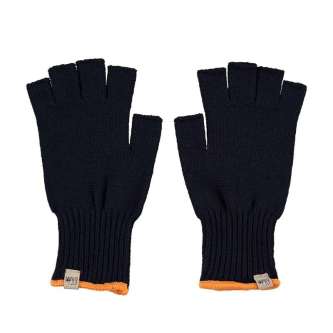
Minus33 Merino Wool Fingerless Gloves
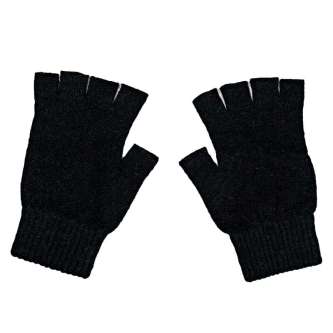
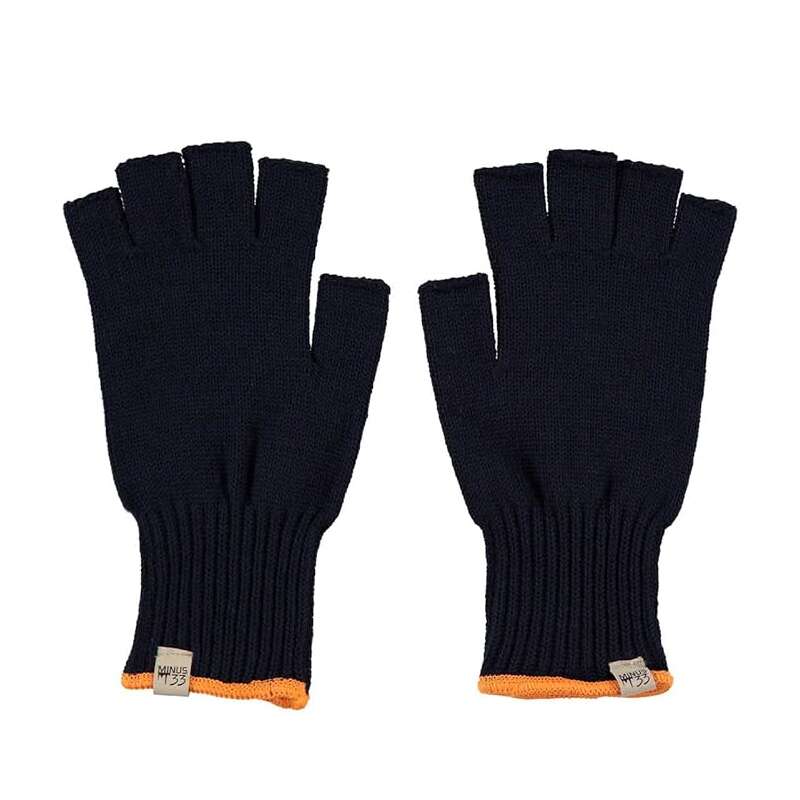
Choose the Minus33 Merino Wool Fingerless Gloves for a nice blend of comfort, performance, and value. The wool-nylon-spandex blend increases durability and stretch fit, while still maximizing the benefits of merino – soft, comfy, warm, breathable, warm-when-wet, and naturally bacteria/odor-resistance. And for being merino they’re less expensive than similar alternatives, as such, we think they’re a great value buy. Lastly, these fingerless gloves enjoy mass customer approval on Amazon, where they score 4.6/5 stars on over 6k reviews.
- Price: $20
- Weight: 2.4 oz
- Material: 90% Wool, 7% Stretch Nylon, 3% Spandex
- Warmth: 3/5
- Pros: Warm. Soft. Comfortable. Breathable. Warm when wet. Reasonably durable. Good value. Highly rated. Mass customer approval.
- Cons: Non-reinforced palms.
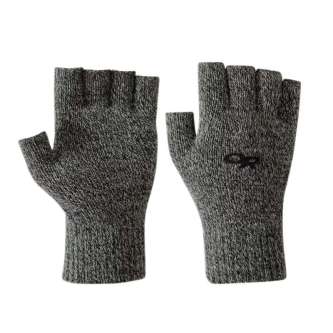
Outdoor Research Fairbanks Fingerless Gloves
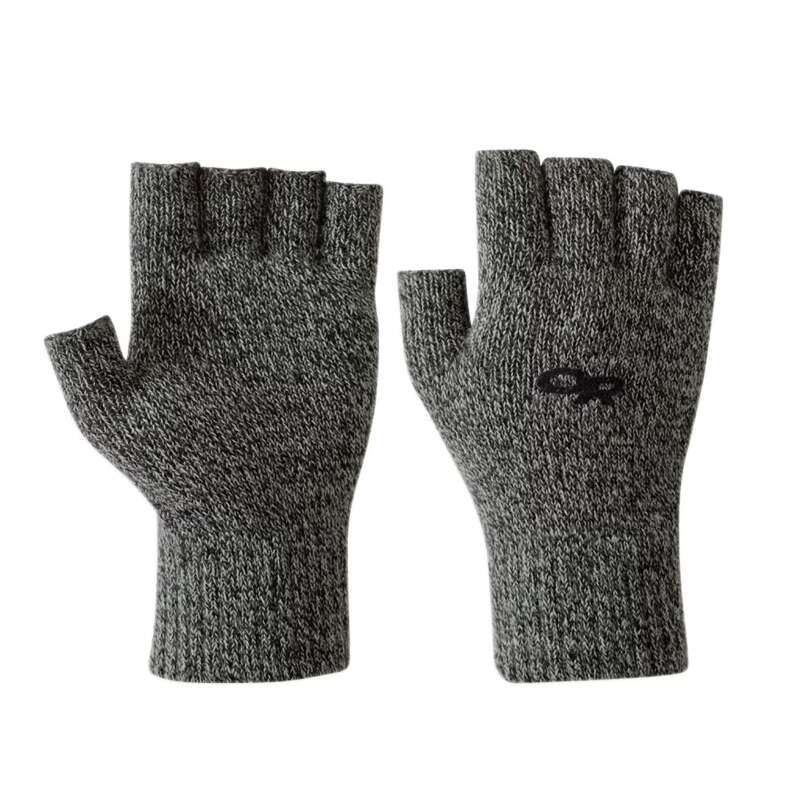
The Outdoor Research Fairbanks are just great all-around wool fingerless gloves. The merino is soft, comfy, warm, breathable, odor-resistant, and dexterous. Customers give these gloves great reviews, and we agree. The design is simple, but it just works. If there’s a downside to be had, it’s that they’re more expensive than average, and less durable than nylon-wool blends.
- Price: $35
- Weight: 2.8 oz
- Material: 100% Merino Wool
- Warmth: 3/5
- Pros: Warm. Soft. Comfy. Highly rated. Breathable. Warm when wet.
- Cons: Fewer size options. Expensive. Non-reinforced palm. Lower durability than nylon blends.
First Lite Talus Merino Fingerless Gloves
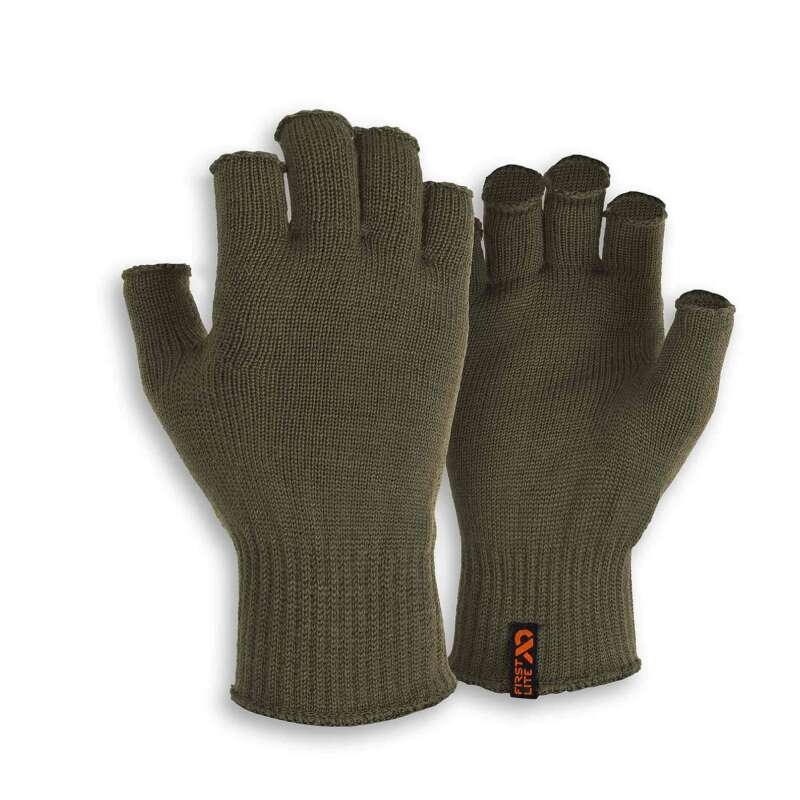
The First Lite Talus is a merino fingerless glove designed to suit the dexterity needs of hunters. So you know it’s good enough for hikers zipping up jackets and backpackers pitching tents. The 100% merino wool is warm, breathable, odor-resistant, and warm when wet. And of all of the best fingerless gloves in our guide, this has the second most 5 star customer reviews, on 614 total reviews at time of publication. Large sample sizes don’t lie.
- Price: $25
- Weight: 2.0 oz
- Material: 100% Merino Wool
- Warmth: 2/5
- Pros: Soft. Comfy. Extra dexterous. Longer than average fingers. Warm. Warm when wet. Breathable. Very highly rated.
- Cons: Non-reinforced palm. Difficult to take off.
Glacier Gloves Alaska River
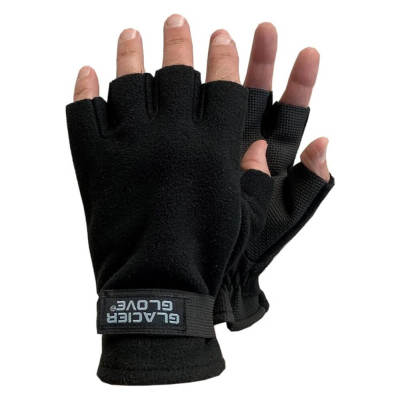
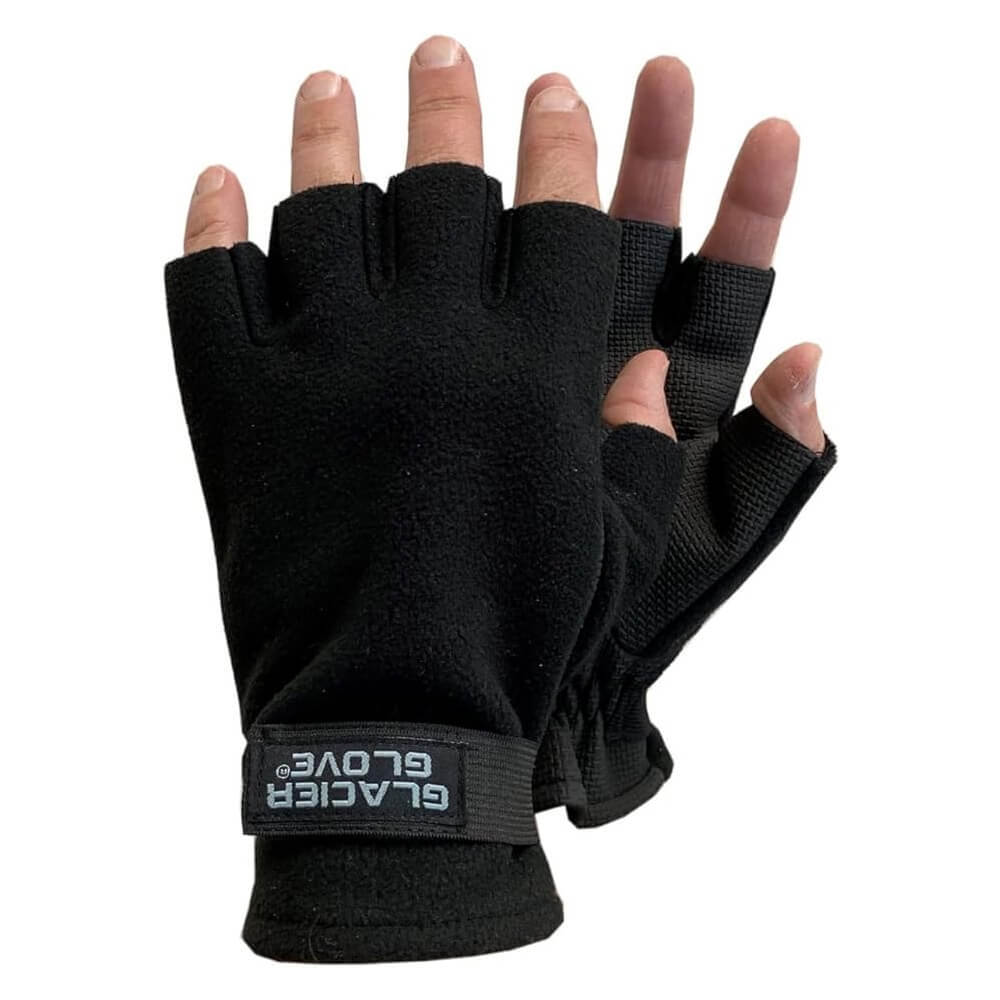
The Glacier Gloves Alaska River are the warmest fingerless gloves in our guide, and made with a unique materials combo. The outside is a Windstopper microfleece, perfect tool for the job! The inside palm and inside fingers are lined with neoprene. This is an interesting choice, but it insulates well when holding cold wet objects, such as a trekking pole handle, or a wet ladder. The downside is that neoprene is stiffer and clunkier than fleece, and thus these gloves are slightly less dexterous than your average fingerless gloves. One more small gripe is that the wrist cinch cannot be adequately tightened on narrow wrists. But the glove fits securely to begin with, so it’s not a huge issue.
- Price: $20
- Weight: 2.1 oz
- Material: Windstopper Fleece, Neoprene Palm
- Warmth: 3/5
- Pros: Wind-resistant. Warm. Warm when wet. Insulated water resistant palm.
- Cons: Neoprene tears on abrasive surfaces. Less dexterous because thicker palm material. Wrist cinch does not accommodate narrow wrists well.
Zpacks Brushtail Possum Fingerless Gloves
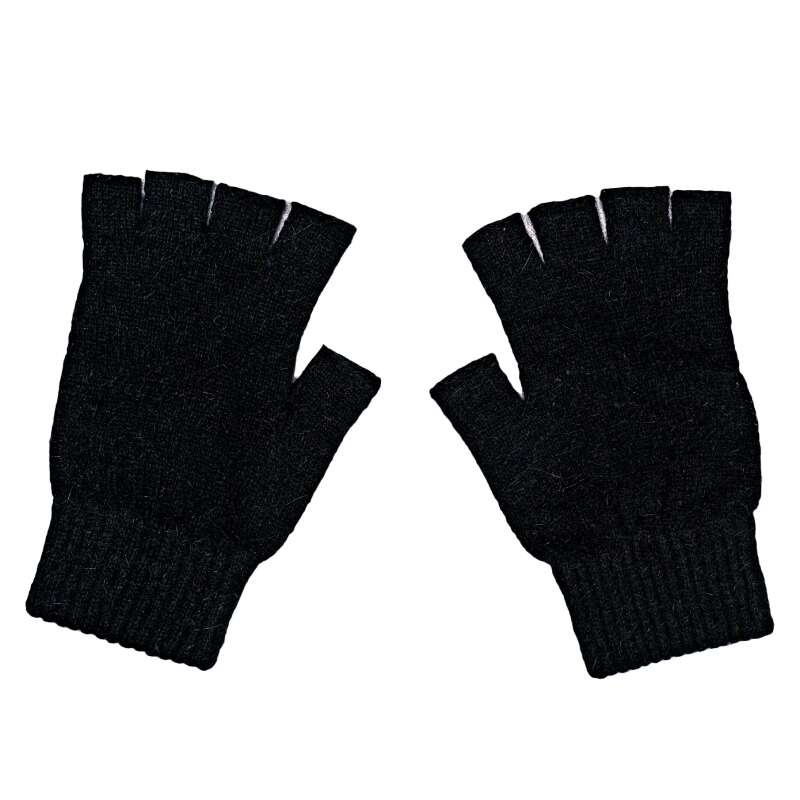
The Zpacks Brushtail Possum Gloves are made with a wide array of fibers to extract the performance benefits of each. The brushtail possum is an invasive species in New Zealand, and it’s hair has a hollow core for increased warmth and quickened dry time. The possum is blended with merino for softness, and nylon for durability, among other ingredients. The gloves themselves are lightweight, highly dexterous, and a bit thinner than average.
- Price: $30
- Weight: 1.0 oz
- Material: 28% Brushtail Possum, 52% Merino Wool, 16% Nylon, 2% arcylic, 1% Elastic, <1% Steel
- Warmth: 2/5
- Pros: Ultralight. Highly dexterous. Soft and comfy.
- Cons: Non-reinforced palm. Thinner than average, perhaps less durable.
Glacier Gloves Cold River
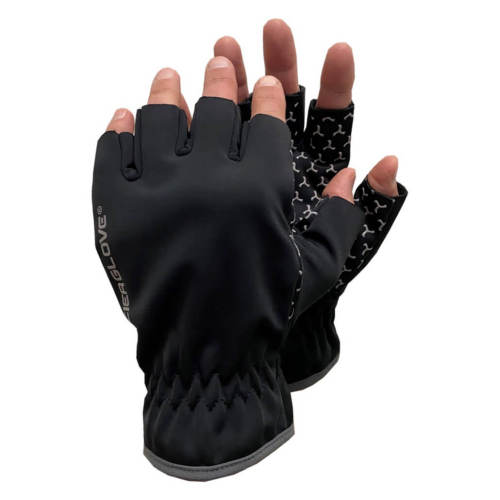
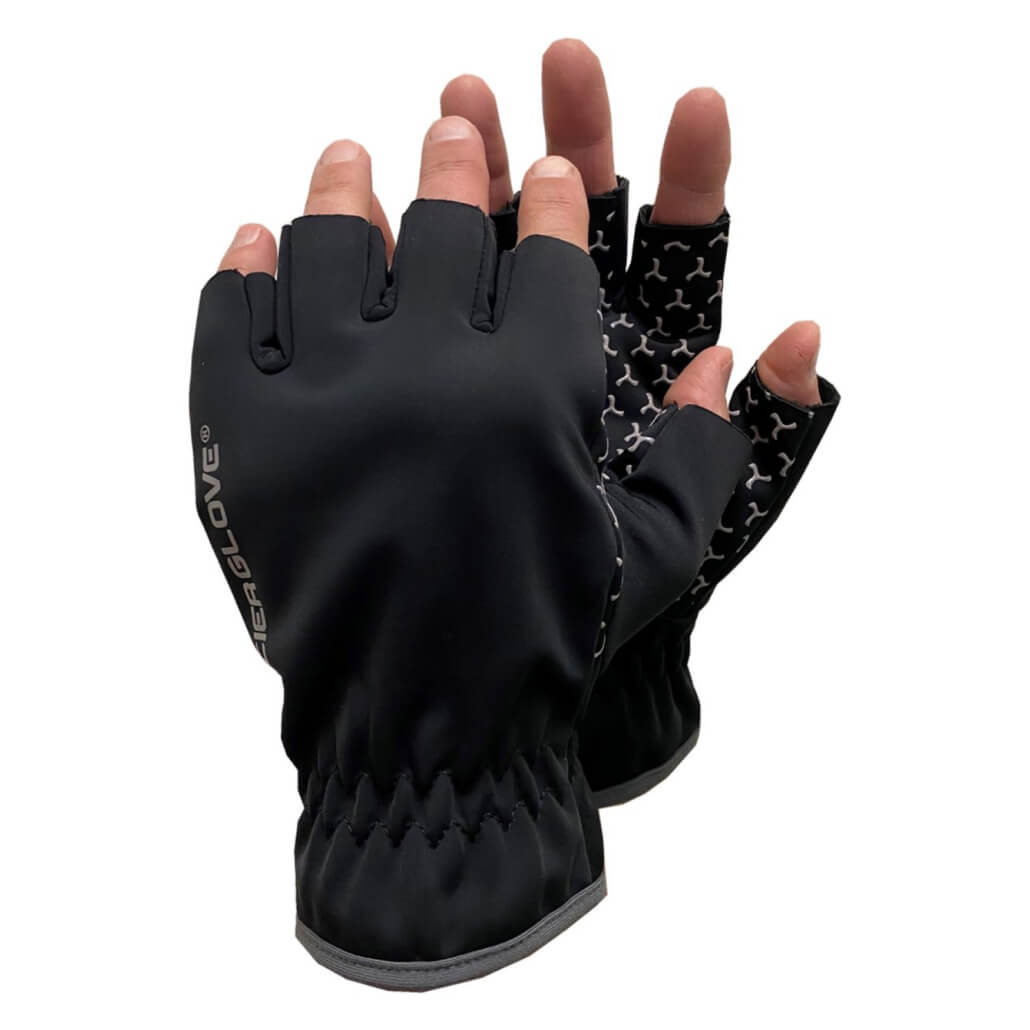
The Glacier Gloves Cold River are a rare fingerless soft shell glove – thin, stretchy, highly wind resistant, lightly water resistant, and quick drying. They don’t insulate all that much on their own, but do a good job reducing wind chill. They are overall comfy to wear, and highly dexterous, but can also feel a bit clammy when you get hot. The non-adjustable opening is a bit clunky, but gets the job done.
- Price: $28
- Weight: 1.5 oz
- Material: Windproof soft shell with thin fleece lining
- Warmth: 2/5
- Pros: Very dexterous. Shell fabric is windproof, water-resistant. Grippy.
- Cons: Non-reinforced palm. Not very insulative. Gets sweaty when warm.
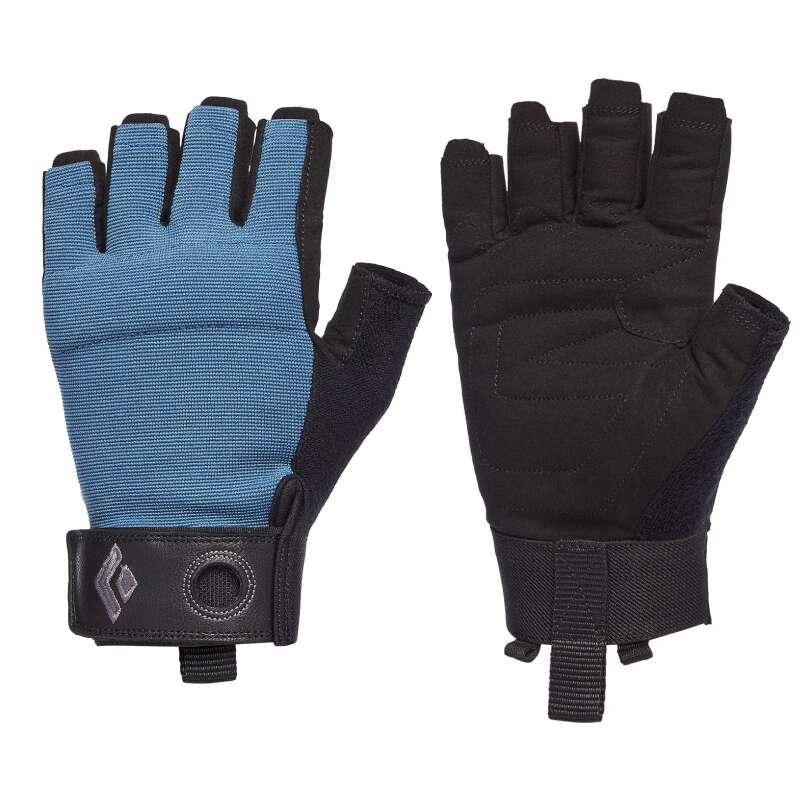
Black Diamond Crag Half-Finger
Choose the Black Diamond Crag Half-Finger for trips involving rope ladders, chain holding, via ferrata, Tyrolean traverses, cable cars, and other such hand-blasting terrain. We particularly like the finger extension tabs that protect the inside middle joint from abrasion. The Crag Half-Fingers are also highly rated, very affordable, long lasting, and respectably lightweight. This is an important fingerless glove to have in your quiver for rough handling. And do you see those beastly cuff cinches! Talk about a secure fit.
- Price: $20
- Weight: 2.5 oz
- Material: Synthetic Leather, Stretch Mesh backer
- Warmth: 2/5
- Pros: Good durability-to-weight ratio. Finger tabs. Good value. Very durable. Good cuffs and cinching. Pull tabs for on/off. Breathable back of hand.
- Cons: Inside interior face can get sweaty.
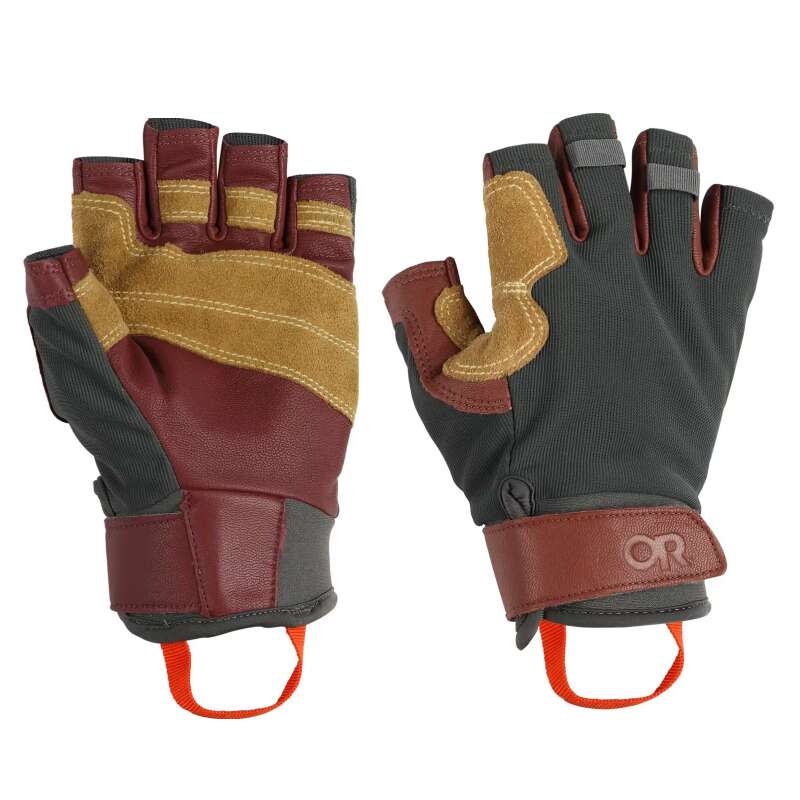
Outdoor Research Fossil Rock II
For rough handling with a leather palm, we’ve had good experiences using the Outdoor Research Fossil Rock II. The reinforced palms, made with a combo of goat and cow leather, are designed to serve climbers for all-day rope handling, so you know they’re durable enough for hiking and backpacking. The back fabric is pleasant to wear, and they have beastly wrist straps and pull tabs. Great for trail work, rope ladders, cable cars, chains, Tyrolean traverses, etc.
- Price: $39
- Weight: 5.6 oz
- Material: Polyester, Spandex, Leather
- Warmth: 2/5
- Pros: Very durable. Good cuffs and cinching. Pull tabs for on/off. Breathable back of hand.
- Cons: Expensive. Inside interior face may require break in, can get sweaty.
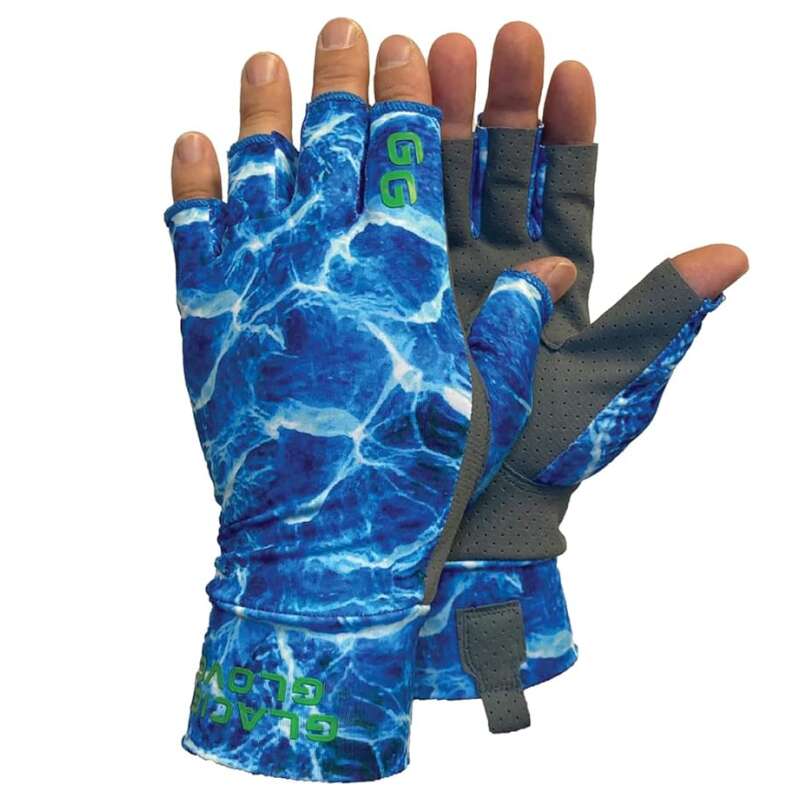
Glacier Gloves Ascension Bay
One of the most useful types of fingerless gloves is a sun glove! The Glacier Gloves Ascension Bay are designed to offer 50+ UPF sun protection for your hands with the airiest, and most breathable fabric possible for all day warm weather use without ever reducing dexterity. The Ascension Bay is great because the palms are reinforced, drastically prolonging their life when used with trekking poles nonstop, all day. We nearly always hike in sun gloves and recommend them strongly. And don’t forget to apply sunscreen to your finger tips!
- Price: $27
- Weight: 1.7 oz
- Material: Lycra, synthetic suede
- Warmth: 1/5
- Pros: Protects against sun. Airy and breathable. Comfy all day. Durable palm. Good with trekking poles.
- Cons: Warmer than wearing no sun gloves. Makes applying sunscreen harder.
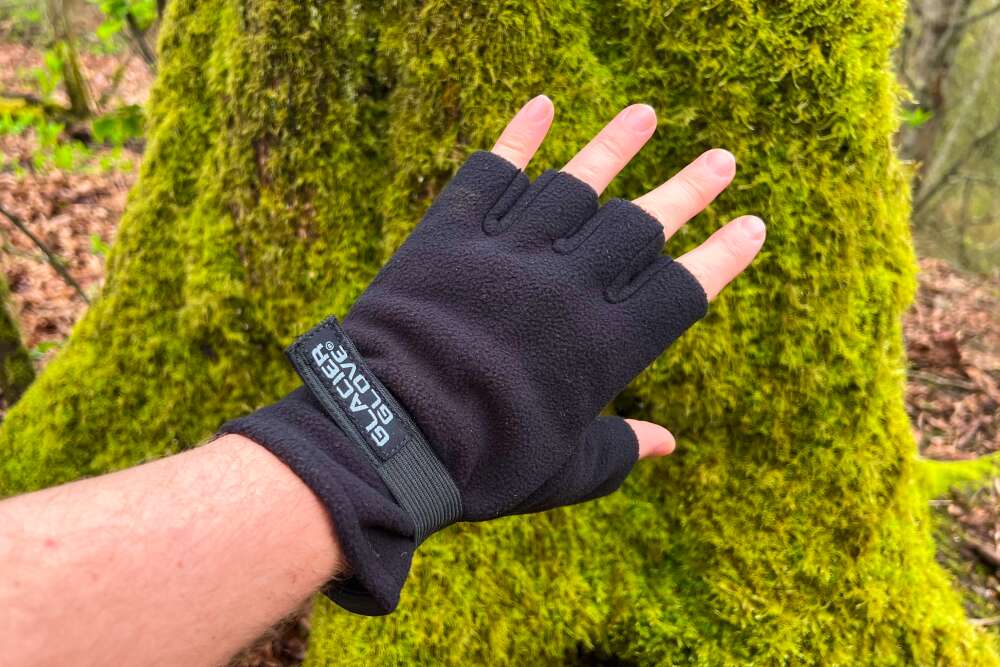
Pro Tips For Warming Your Hands and Using Fingerless Gloves
Add a mitt overtop for use in cold, windy, or wet weather
For use in cold, windy, and wet weather, you may choose to bring a shell mitt for modular layering. Here is a lightweight Gore-Tex shell mitt, and here is an ultralight shell mitt. Keep the fingerless glove on for all day cold-weather-wear, and pull out the shell mitts for cold rain. Shell mitts usually only weigh 1-2 ounces and are generally quite packable. While their wind/waterproofness solves for fingerless gloves’ biggest weakness, it is a notable downside that your finger tips will be in direct contact with the inside of the shell; it’s fine but feels like wearing plastic and is less comfy than layering shell mitts over full finger gloves.
Warm your hands with a hot drink
Mornings in the mountains are often the coldest and most difficult on your hands. Disassembling a frost covered tent, pulling out freezing cold stakes and loading up a backpack is hard when your hands are operating at less than 100% dexterity due to numbing cold. For situations like these, we recommend hot drink warming. Pour yourself a nice hot cup of coffee or tea and then begin taking the tent down. Pull the stakes out, then pause for a minute to hold your mug to absorb heat. Shake out the tent and roll it up, then go back to holding your mug. Put everything in the pack, hold your mug. Alternating between cold touch and warm touch is a really effective way to prevent numb fingers.
Use your base and mid-layer thumb holes
Supplement your fingerless gloves with a base and fleece mid-layer that has thumb loops. If you can put two more layers over the palm of your hand, this will slightly improve blood flow and circulation to your fingers.
Put your trekking poles away and scrunch hands into rain jacket sleeves
In truly awful conditions like sleet or cold rain, you may wish to put your trekking poles away and retreat your hands into your rain jacket sleeves. This is a great reason to size up when choosing a rain jacket. Having a shell sleeve to retreat into can be make or break when going over a pass or summit in foul weather.
Windmill your arms to centrifuge blood to your fingertips
A tip we picked up from ice climbers is windmilling your arms. This creates a centrifuge effect that uses physics to force blood into your finger tips, warming them up via circulation.
Add sock mitts
It’s not fun and it’s definitely not sexy, but if you really need to warm your hands up, you can pull socks on over your fingerless gloves to increase insulation and wind protection. This is effective when dexterity is not required.
Hike faster to generate more body heat
When all else fails and your hands are just really cold, you probably would still be having a bad time with full-finger gloves. Either way, crank up the hiking speed to generate more body heat and get off that pass ASAP.
Conclusion To The Best Fingerless Gloves For Hiking & Backpacking
Thank you for reading our guide to the best fingerless gloves, where we hope you found the perfect pair to suit your hiking and backpacking needs. Our team loves fingerless gloves and find their dexterousness to be highly functional. These are the fingerless gloves we use, and we know they’ll serve you well too. Happy hiking!


Leave a Reply
Want to join the discussion?Feel free to contribute!