

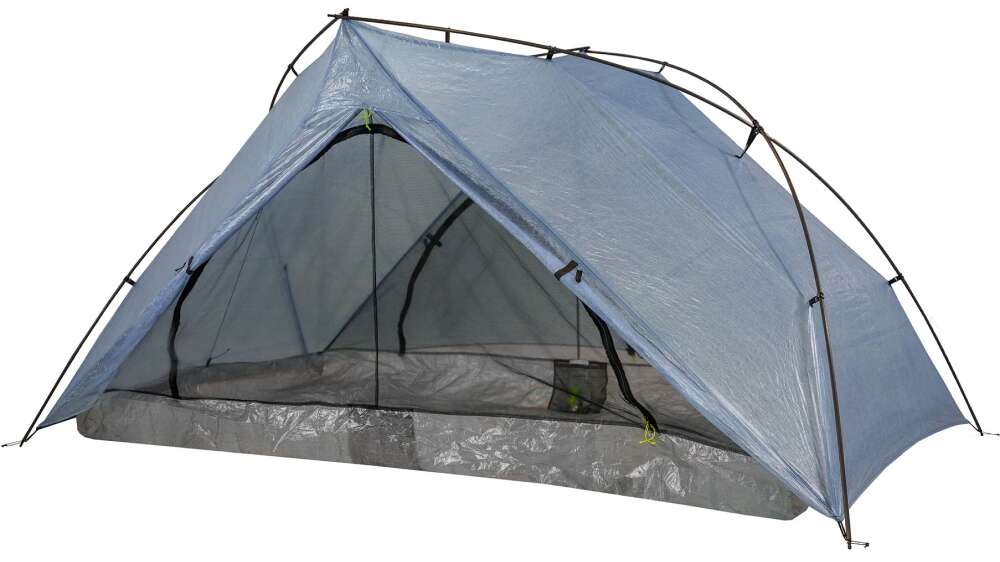
Zpacks Free Zip 2P Review First Impressions
A new contender for best two person ultralight freestanding tent
Well folks, we might just have ourselves a new best-in-class freestanding ultralight tent in the Zpacks Free Zip 2P, dethroning the iconic Big Agnes Copper Spur HV UL 2. Compared to other top models in the fully freestanding 2p capacity class, the Zpacks Free Zip is significantly lighter weight; has a taller ceiling; is built with durable 100%, waterproof and sag-proof Dyneema; and is much sturdier in wind. On the flip side, it’s much more expensive; has a slightly smaller interior area, and has much smaller vestibules. Shop now.
All said and done, the 31.6 oz Zpacks Free Zip is a very compelling ultralight performance option in a category previously dominated by lightweight-not-ultralight tents. We’re stoked to see UL Cottage Industry brands combining DCF and single-wall construction to innovate and optimize within the freestanding category.
Editor’s Note, April 4, 2024: This is a first impressions review. What follows are our initial thoughts on the Zpacks Free Zip based on a thorough examination of the product page, and extensive experience with most of Zpacks ultralight tents, and other freestanding tents. We will update this review immediately after tested it in the backcountry, and a final time after a season’s worth of testing.
- Price: $899
- Weight: 31.6 oz
- Interior Area: 26.3
- Vestibule Area: 8.0 ft² (estimate)
- Area/Pound: 13.3 ft²
- Height: 43 in
- Fly Material: Dyneema
- Potential Add-ons: Groundsheet, Gear Nest, Bonus interior Pocket
- Pros: Ultralight & freestanding. Much lighter than its peers. Very sturdy in high wind. Steep end walls for good headroom. Best-in-class materials, durable, doesn’t sag when wet. Symmetrical. Peak vents. Made in USA.
- Cons: Very expensive. Slightly smaller than average interior area. Much smaller than average vestibules. Single wall condensation.
Compare to more great options in our guide to the Best Backpacking Tents. Read reviews of our favorite non-freestanding tents, the Zpacks Offset Solo, Duo, and Trio.
When purchasing through links on our site, we may earn an affiliate commission at no additional cost to you. Here’s why you can trust us. Now back to Zpacks Free Zip Review.
Construction & Features
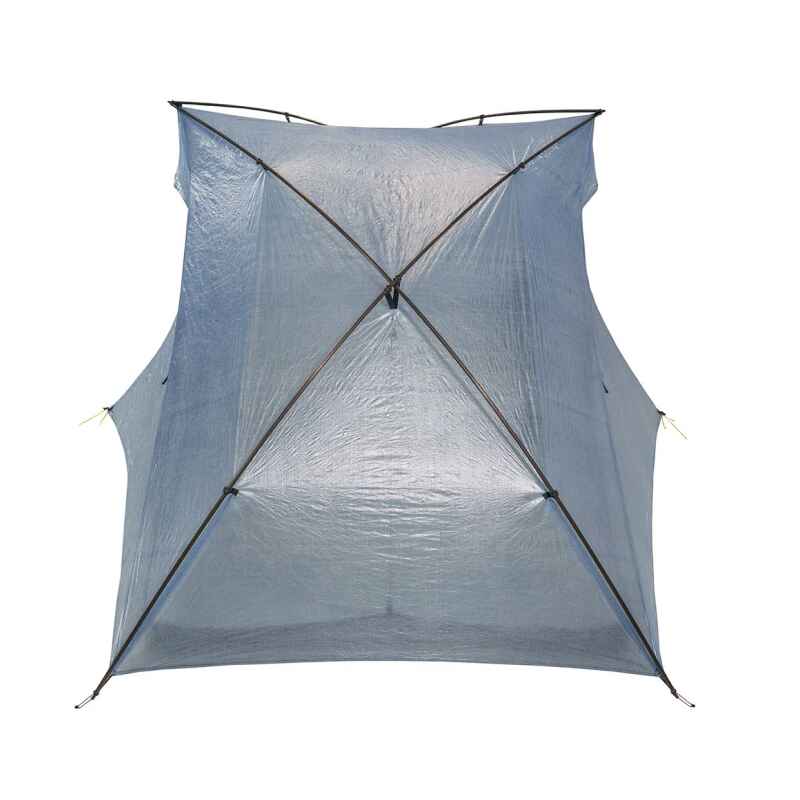
The most notable design element on the Zpacks Free Zip is its double X pole configuration, one X on each end. Most freestanding domes utilize a single X, but we can see how the double X would be more wind resistant, and create steeper head/end walls. Zpacks even claims its the most wind-worthy in their entire lineup! The poles are made with 6.3mm Easton carbon fiber, very strong and light, and fold down small. We’ll see how these compare to some of our other favorites, like the DAC NFL/NSL poles.
This is the only true freestanding tent in the Zpacks line, a tuned and optimized version of its predecessor – the Free Duo – and a big upgrade over the Duplex Freestanding Flex Kit, which converts a Duplex classic into freestanding mode for pitching onto hard surfaces and sand.
Like all of the rest of the Zpacks tents, Free Zip is made with Dyneema fabric, .5 or .75 for the canopy, and burly 1.0 for the floor. We love Dyneema tents, and find them to be best-in-class, lightweight, extremely sag resistant, and incredibly durable and long lasting compared to ripstop nylon or poly of similar weight per square yard. Dyneema has an exceptional tear-strength, and is waterproof without any coatings.
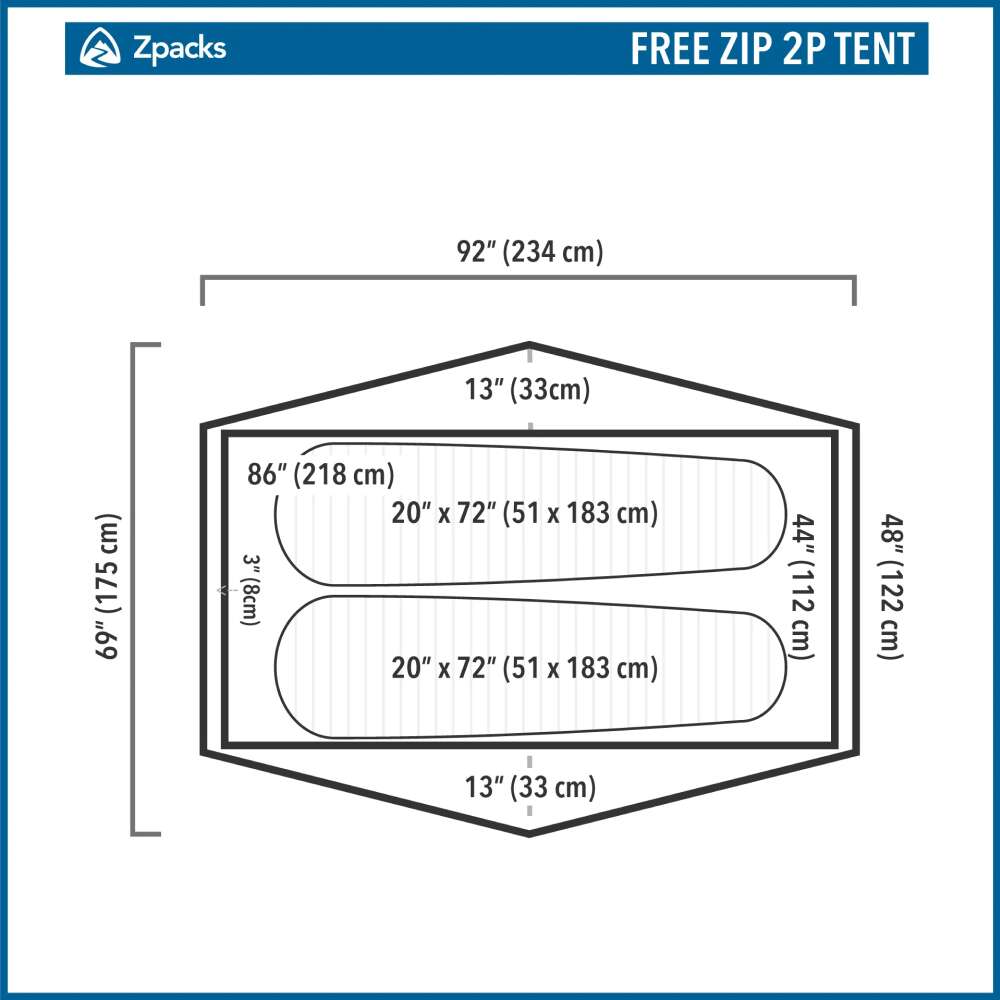
The biggest performance downside is its overall small size. We have to assume they made it as big as possible while still keeping it under 2 lbs, but sticking hard to that weight cap. Its interior area of 26.3 sq ft is a bit lower than the industry standard 28 sq ft for regular sized 2p tent. It is 1″ narrower and 3″ shorter then Duplex Classic. It is 6″ narrower and 8″ shorter than the Offset Duo, the largest and most luxurious 2p Zpacks tent.
However, the steeper-than-average end walls and taller-than-average ceiling make it feel bigger than it is, and compensate for the loss of square footage. However again, this is a single walled tent, so you have to stay mindful of not brushing against condensation. This in turn makes it feel a bit smaller than a double wall of the same interior volume.
And then there’s the vestibules, with a total combined estimated area of ~8 sq ft (our best guess based on line drawing geometry), roughly half the size of lightweight double walled freestanding tents. This makes them large enough to be viable for storing shoes, but it may be difficult to store a pack and shoes under it without something sticking out, or sacrificing the ability to use it as an entry/exit point. These are some of the very smallest vestibules we’ve ever seen.
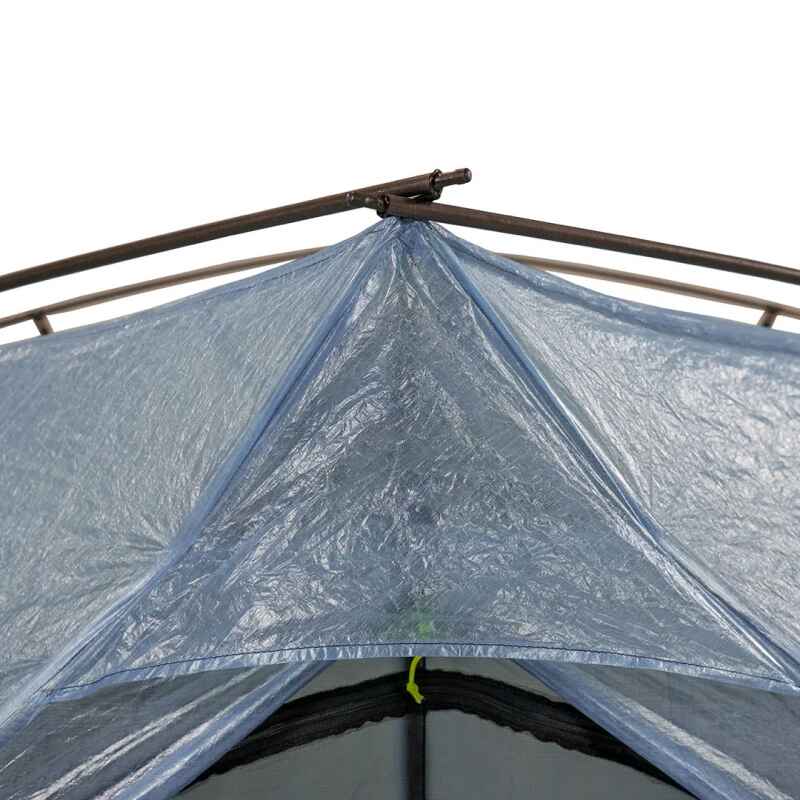
Moving on from size, we conclude with the features. The Free Zip has lots of great livability features, including peak vents, magnetic storm door roll ups, included repair kit, two interior pockets, backup zipper sliders, bath tub floor risers, and independent DCF stuff sacks for the poles and tent body.
Who Should Choose the Zpacks Free Zip 2P?
- You require a freestanding tent for pitching onto rock, sand, wooden tent-pads, etc
- You prioritize wind-resistance-to-weight ratio
- You dislike non-freestanding tents, and have yet to find a good ultralight freestanding solution
- You already own a top-tier ultralight non-freestanding tent like the Zpacks Offset Duo, and want this for your quiver
Where Should You Take It?
- International trips, which are more likely to have man-made hard-surface tent pads
- Notoriously windy regions, like Patagonia
- Desert slick rock, sand, and beaches where trekking pole shelters are difficult to pitch
- Challenging trips where the weight savings are important compared to a traditional light-not-ultralight freestanding tent
Zpacks Free Zip Against Mainstream Brand Competition
The below table illustrates how Free Zip stacks up against competition from two mainstream brands. As you can see, it is lighter weight, taller, and has better wind resistance, but also more expensive, slightly smaller, and with much smaller vestibules.
Mobile users rotate device for full width table view
| Tent | Setup | Price | Weight | Interior area | Vestibules | Height |
Performance in Strong Wind(1-5)
|
| Zpacks Free Zip | Freestanding | 899 | 31.6 | 26.3 | 8.0 | 43 | Great |
| Big Agnes Copper Spur | Freestanding | 530 | 43.0 | 29 | 18.0 | 40 | Good |
| Nemo DragonFly | Freestanding | 500 | 42.0 | 29 | 20.0 | 39 | Good |
| Big Agnes Tiger Wall | Semi-Freestanding | 450 | 35 | 28 | 16 | 39 | Okay |
| Nemo Hornet | Semi-Freestanding | 430 | 33 | 27.5 | 14.2 | 39 | Okay |
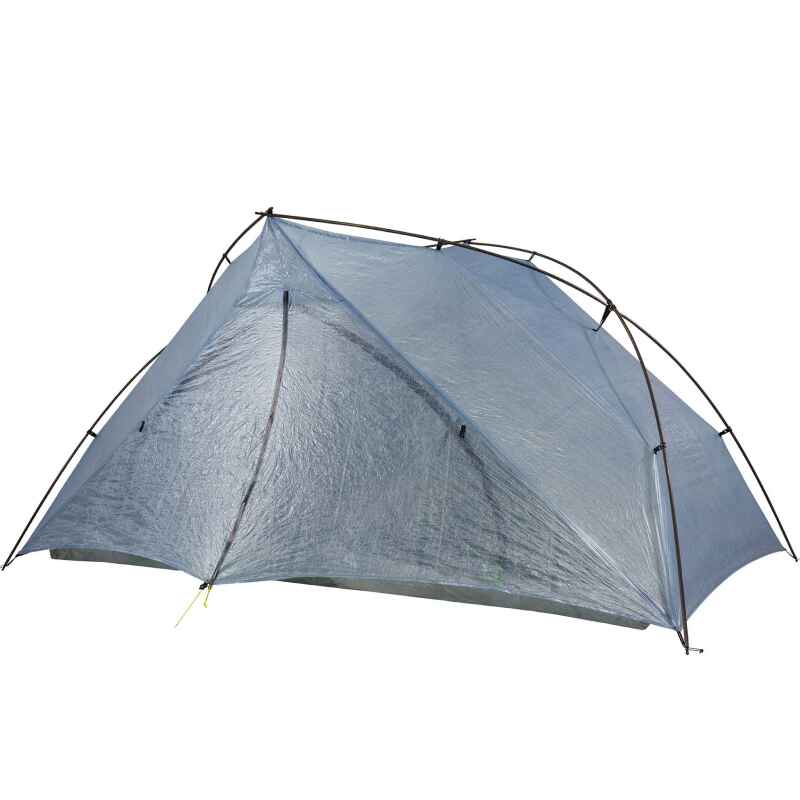
Zpacks Free Zip 2P Review First Impression Verdict
No matter how you prioritize and value the different performance levers of what makes the best freestanding tent, Zpacks Free Zip is worth considering from an I-want-nothing-less-than-the-very-best perspective. It is 25-50% lighter than its competitors, has the highest wind-resistance-to-weight ratio, is made with best in-class-materials, and offers above average headroom. However, it’s also very expensive, has a smaller-than-average interior, and the smallest vestibules in its class. Our take is that Free Zip juice is likely worth the squeeze, and we cannot wait to take this fully-freestanding ultralight tent into the backcountry. This is a really, really sweet tent to add to your quiver.

